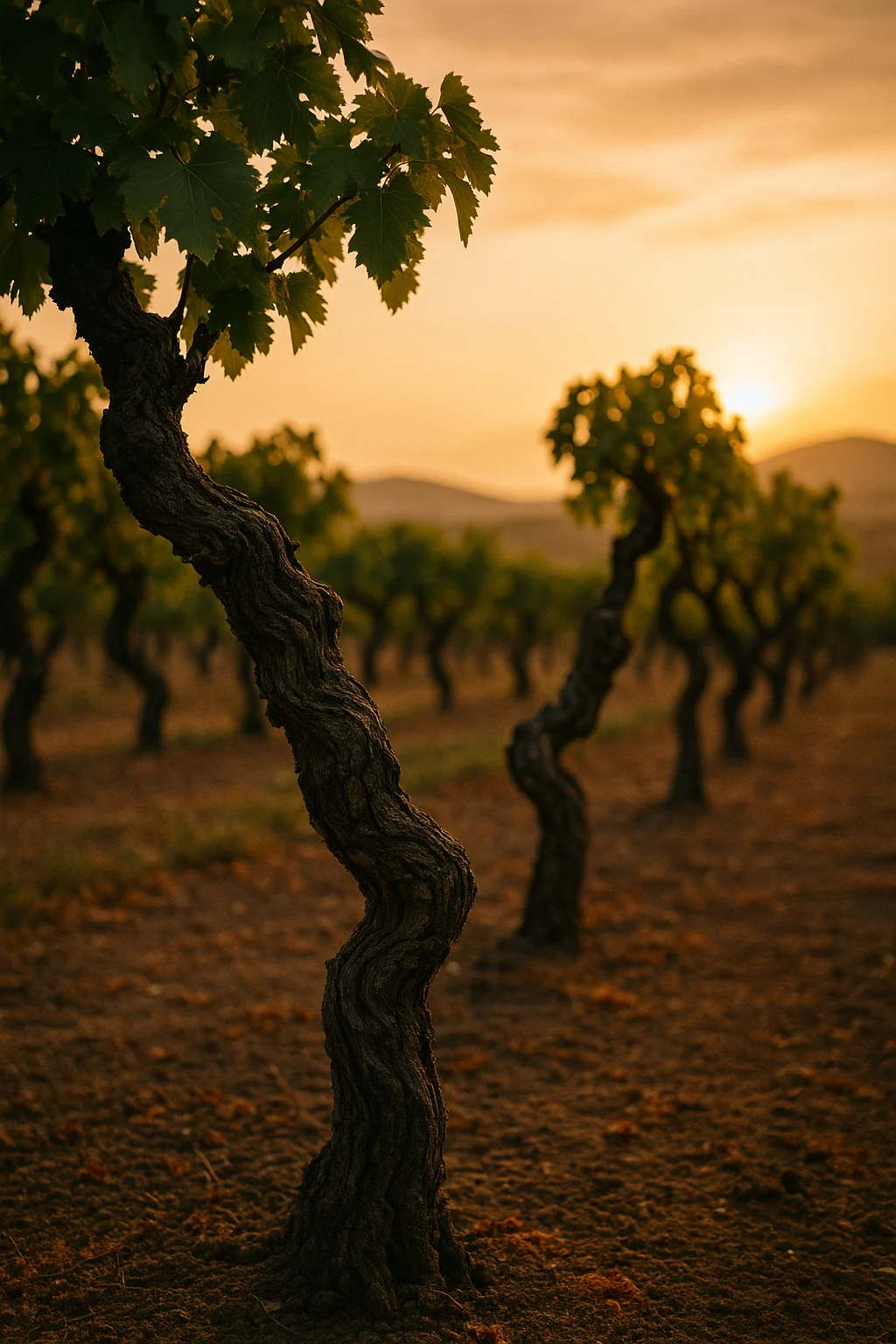
Interest in old vine Italian wines has grown rapidly among UK drinkers who value character, depth and authenticity. While many wine regions around the world celebrate their veteran vineyards, Italy stands apart: its patchwork of ancient farming traditions, fragmented land ownership and historic growing zones has preserved some of the oldest productive vines in Europe. These ancient vineyards — often tended for generations by the same families — yield wines with a level of concentration, texture and complexity that younger vines cannot easily replicate. This UK guide explores what old vines truly are, why they matter, and which regions and grape varieties produce Italy’s most exciting old vine wines.
What Counts as “Old Vine”?
Unlike “organic” or “DOCG,” the term “old vine” is not legally defined. However, within the wine world certain benchmarks are widely accepted:
- 30–40 years: Mature vines
- 50+ years: Old vines
- 70–100+ years: Very old vines
- Centenarian vines: Rare, heritage plots, often ungrafted
Many Italian vineyards exceed 80 years of age, with some even predating phylloxera thanks to volcanic soils and sandy terrains that prevented pest infestation.
Old vines behave differently from young vines. Their roots reach deeper into the soil, often several metres down, tapping into mineral reserves that younger vines cannot access. They naturally regulate yield, producing fewer grapes but with greater flavour concentration.
For UK drinkers, this results in wines with additional layers of texture, structure and depth — qualities increasingly valued among premium buyers.
Why Old Vines Produce Better Wines
The appeal of old vine wines lies not only in age but in biological changes that occur over decades:
Lower yields, higher concentration
As vines age, they naturally produce fewer bunches. This leads to:
- Intensified flavour
- Thicker skins
- Softer tannins
- Better balance
Deeper roots, greater resilience
Older vines may reach moisture and minerals that younger vines cannot, adding:
- Minerality
- Complexity
- Improved drought resistance
Natural balance
Old vines self-regulate growth, often requiring less intervention from growers. They produce grapes with:
- More consistent ripeness
- Naturally stable acidity
- Moderate alcohol levels
Distinct regional expression
Vine age amplifies terroir. In Italy — where volcanic soils, limestone ridges, coastal breezes and sandy plains vary dramatically — this elevates authenticity.
For discerning UK drinkers, old vine Italian wines offer a taste of history in the glass.
Italy’s Old Vine Strongholds
Italy’s ancient vineyards are concentrated in regions where:
- Phylloxera never arrived
- Terrain prevented replanting
- Generational family ownership preserved heritage
- Traditional farming methods remained untouched
These areas produce the most exciting old vine wines available in the UK.
Puglia: Primitivo, Negroamaro & Susumaniello
Puglia is one of the world’s greatest old vine regions, particularly for red varieties. Poor families historically relied on vine longevity rather than costly replanting, meaning ancient vineyards remain in production today.
Primitivo (Old Vine Zinfandel’s Italian ancestor)
Primitivo vines aged 50–100 years produce:
- Dark fruit
- Sweet spice
- Raisin hints
- Rich, velvety texture
Negroamaro
Old vines deliver savoury depth, with:
- Black cherry
- Coffee
- Earth
- Leather
Susumaniello
One of Italy’s rarest grapes, but old vines bring:
- Concentrated black fruit
- Intense colour
- Aromatic spice
These wines excel in the UK for winter drinking, roasts, stews and bold, flavour-driven meals.
Basilicata: Aglianico del Vulture
Aglianico thrives on volcanic soils, and Basilicata is home to some of Italy’s oldest ungrafted vines.
Old vine Aglianico shows:
- Dense black fruit
- Spice
- Mineral backbone
- Incredible ageing potential
These are “serious” wines for UK enthusiasts seeking power combined with balance.
Sicily: Nerello Mascalese & Heritage Vines
Mount Etna may be Italy’s most fashionable region, and its vine age plays a key role. Terraces have been farmed for generations, with plots over 80 years old remaining in active use.
Nerello Mascalese (Etna Rosso)
Old vines produce reds with extraordinary finesse, offering:
- Red berry
- Ash
- Herbs
- Tense minerality
- Burgundy-like structure
These wines perform brilliantly in the UK fine dining scene.
Calabria: Gaglioppo & Ancient Greek Varieties
Calabria’s vine heritage traces back to Magna Graecia. Traditional vineyards, often on steep hills, were never industrialised.
Gaglioppo
Old vines deliver:
- Lifted red fruit
- Herbs
- Floral notes
- Hints of sea breeze
A distinctive southern red with real elegance.
Campania: Greco, Fiano & Aglianico
Campania preserves centuries-old vineyards due to its rugged geography.
Old vine Greco & Fiano
These whites age remarkably well, showing:
- Honey
- Almond
- Peach
- Saline minerality
Old vine Aglianico (Taurasi)
Even more structured than Vulture, with exceptional depth.
Marche: Lacrima & Verdicchio
Though less known, Marche contains old parcels of heritage varieties.
Lacrima
Old vines intensify its aromatic qualities:
- Rose
- Violet
- Blue fruit
Verdicchio
Old vine examples offer exceptional texture and ageing potential.
Why Old Vine Wines Are Ideal for UK Drinkers
Several reasons explain their rising popularity in the UK:
Better with British food
Old vine reds — especially Primitivo, Aglianico and Negroamaro — pair beautifully with:
- Roast beef
- Pork belly
- Lamb
- Steak pie
- Grilled dishes
- Cheddar and hard cheeses
Enhanced ageing ability
UK buyers increasingly appreciate wines they can cellar. Old vine structure supports long-term ageing.
Authenticity and story
Younger UK consumers seek wines with authenticity and heritage. Old vines deliver powerful emotional appeal.
Premium quality without excessive cost
Many old vine Italian wines remain affordable relative to their French counterparts.
How to Identify Old Vine Italian Wines
Because “old vine” isn’t a regulated term, here are reliable indicators:
- Look for vineyard names or “vieilles vignes / viti vecchie / alberello”
- Seek producers who highlight vine age (50+, 80+, ungrafted)
- Check for bush-trained (alberello) vines — often old
- Higher extraction, density and structure in the wine
- Regions known for ancient vineyards (Puglia, Etna, Basilicata)
Specialist merchants like Donzella are more likely to offer genuine old vine wines versus mass-market outlets.
Best Old Vine Italian Wines for Different Occasions
For Sunday roast
- Old vine Primitivo
- Old vine Aglianico del Vulture
For steak or venison
- Old vine Negroamaro
- Old vine Nero di Troia
For cosy winter dishes
- Old vine Susumaniello
For refined palates
- Old vine Nerello Mascalese
For seafood or white meats
- Old vine Greco
- Old vine Fiano
These styles elevate everyday drinking and dinner parties alike.
The Future of Old Vine Italian Wines in the UK
Old vine wines align perfectly with current UK trends:
- Focus on authenticity
- Desire for richer, more characterful wines
- Interest in volcanic soils and unique terroirs
- Preference for sustainable, heritage winemaking
- Growing appetite for premium but quietly priced bottles
This category will only grow in importance over the next decade.
Final Thoughts: Why Old Vine Italian Wines Deserve a Place in Every UK Cellar
Old vine Italian wines offer something rare in today’s wine market: authenticity backed by centuries of tradition. The combination of ancient vines, regional diversity, artisan winemaking and exceptional value makes these wines some of the most exciting bottles available in the UK. Whether you love volcanic reds, aromatic whites, bold southern varietals or elegant mountain-grown wines, Italy’s old vines deliver depth, concentration and soul that younger vineyards cannot match.
For UK drinkers seeking wines with history, flavour and longevity, old vine Italian wines offer an irresistible way to explore Italy’s most treasured vineyards.