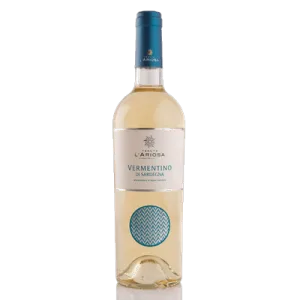
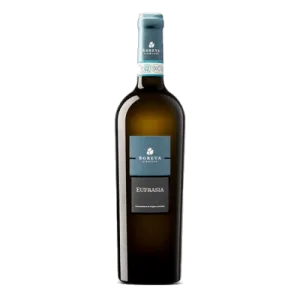
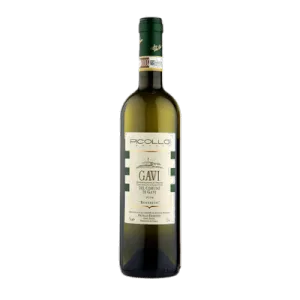
Italian wine is one of the most exciting and diverse categories in the world, yet many UK drinkers unknowingly approach it with habits that limit flavour, enjoyment and value. These mistakes are extremely common — even among experienced wine lovers — and most of them come from the way wine is presented in supermarkets, restaurants and generic wine guides. This article highlights the most frequent Italian wine mistakes, why they matter, and how to fix them easily. With a few small adjustments, you can unlock far more flavour, aroma and authenticity from every bottle, whether you’re drinking a simple Montepulciano or a premium Amarone.
Serving White Wines Too Cold
The UK has a habit of serving white wines as cold as possible, often straight from the fridge at temperatures closer to 4°C than 10°C. When Italian whites are served too cold, their aromas shut down, their flavours flatten and their textures feel sharp or thin. Wines such as Gavi, Soave, Verdicchio, Grillo and Pecorino all lose their personality when chilled excessively. Instead, they should be served slightly cool rather than icy. The best solution is simple: take the bottle out of the fridge 20 minutes before pouring. At around 10–12°C, Italian whites become aromatic, expressive and far more enjoyable.
Serving Red Wines Too Warm
Just as whites are served too cold, reds are almost always served too warm in the UK. “Room temperature” in modern British homes can easily reach 21°C or higher, which exaggerates alcohol, heaviness and bitterness. Italian reds — particularly those with natural freshness like Chianti, Montepulciano, Frappato, Barbera and Nerello Mascalese — show their best character around 14–18°C. A simple fix is to place the bottle in the fridge for 10–15 minutes before serving. This restores balance, enhances fruit and lifts aromatics. Even fuller reds like Primitivo or Nero d’Avola greatly benefit from this adjustment.
Assuming All Lambrusco Is Sweet
Lambrusco still suffers from a decades-old reputation for sugary, low-quality fizz. In reality, most modern Lambrusco from Emilia-Romagna is dry, vibrant and wonderfully refreshing. Dry styles have bright acidity, red berry fruit and gentle bubbles that make them perfect for pizza, charcuterie and weekends with friends. Many UK drinkers avoid Lambrusco entirely because they believe it is sweet, yet the dry versions often become favourites once people try them. The fix is simply awareness: look for labels marked “secco” or “dry”, and explore modern producers rather than mass-market bottles.
Over-Decanting or Under-Decanting Italian Reds
Decanting is one of the easiest ways to transform an Italian red, yet it is frequently done incorrectly. Lighter and fresher reds — such as Chianti, Montepulciano, Negroamaro or Frappato — often benefit from just 10–20 minutes of air. Full-bodied wines, including Primitivo or Nero d’Avola, can handle more time but rarely need more than an hour. Meanwhile, structured wines such as Aglianico, Brunello di Montalcino or Amarone may require longer. The mistake many UK drinkers make is decanting everything for too long or not at all. Italian wines respond best when decanted according to weight and structure rather than a fixed time.
Pairing Wines With the Wrong Food
Because Italian wine is naturally food-friendly, many UK drinkers assume it will pair well with anything. In reality, small pairing adjustments make huge differences. Sangiovese, for example, shines with tomato-based dishes but struggles with creamy sauces. Nero d’Avola works beautifully with grilled meats but can overpower delicate seafood. Gavi is superb with fish and salads but too light for rich stews. Getting pairings wrong doesn’t ruin the wine, but matching correctly unlocks balance, freshness and harmony. The solution is simple: think about the intensity of both the wine and the dish and align them accordingly.
Believing All Italian Wines Should Be Drunk Young
Many UK drinkers assume Italian wine is made to be drunk immediately, yet Italy produces some of the world’s most age-worthy bottles. Even affordable wines such as Montepulciano and Negroamaro often improve with two to four years of bottle ageing. Premium reds like Brunello, Barolo, Taurasi, Amarone and high-level Chianti Classico are explicitly designed for long ageing, developing complexity, deeper texture and softer tannins over time. White wines like Soave, Verdicchio and Fiano can also age beautifully. The fix is to check the vintage and not fear slightly older bottles — Italian wines often reward patience.
Thinking Prosecco Is One Style
Prosecco is often treated as a single taste profile, yet it has a wide range of styles. Frizzante has softer, gentler bubbles, while Spumante offers more intensity. Within Spumante, the level of dryness varies significantly. “Brut” and “Extra Brut” are crisp and clean, whereas “Extra Dry” is rounder and slightly sweeter. “Dry” can be noticeably sweet for some drinkers. Most UK buyers choose based on price alone, but the real solution is paying attention to the dryness level. Brut Prosecco offers fresher, more elegant drinking and pairs much better with food.
Choosing Wines Only by Grape and Not by Region
Italian grapes behave differently depending on where they are grown. For example, Sangiovese from Tuscany tastes fresher and more herbal than Sangiovese from warmer areas, which tends to be softer and richer. Grillo grown near the sea is fresh and saline, while inland examples can be rounder and fruitier. Yet UK drinkers often assume the grape itself determines the flavour entirely. The fix is to read beyond the grape name and note where it comes from. Italy’s regional diversity is unmatched, and understanding it unlocks far more nuance from every bottle.
Storing Wine Incorrectly
Many UK drinkers store wine upright in warm kitchens or near radiators — locations that damage corks and accelerate ageing. Italian wines, like all wines with corks, should be stored on their sides in a cool, dark place, ideally between 10–14°C. Even short-term storage benefits from a more stable environment. For wines closed with screw caps, temperature remains the most important factor. With just a little attention to storage, Italian wines maintain far better freshness and longevity.
Drinking Straight After Opening
A common but overlooked mistake is drinking Italian wine immediately after opening. Even simple wines benefit from a moment to breathe. Whites open up aromatically within minutes, while reds soften and become more expressive. Those who judge a wine based on the first sip alone often miss its evolution. Allowing the wine a little time to settle can completely transform the flavour profile. Drinking slowly and revisiting the wine over the course of an hour offers a more complete and enjoyable experience.
Buying Based on Familiar Names Only
Many UK shoppers gravitate toward names they recognise — Chianti, Pinot Grigio, Prosecco — and overlook Italy’s extraordinary diversity. This leads to repetition, limited discovery and a narrow understanding of what Italian wine can offer. Italy’s greatest values often come from less familiar varieties such as Grillo, Pecorino, Negroamaro, Aglianico and Frappato. The fix is simple exploration: choosing one unfamiliar bottle each time opens an entirely new world of flavour and value.
Final Thoughts
Italian wine is one of the richest and most rewarding categories available to UK drinkers, yet a few widespread habits can limit its potential. By adjusting temperature, decanting thoughtfully, choosing pairings carefully and exploring beyond familiar names, wine lovers can dramatically enhance their enjoyment. Italian wine is not complicated — it simply behaves best when treated with the same care and understanding that goes into its production. Correcting these common mistakes allows every bottle to shine as intended, helping you experience Italy’s incredible wine culture at its full depth and character.