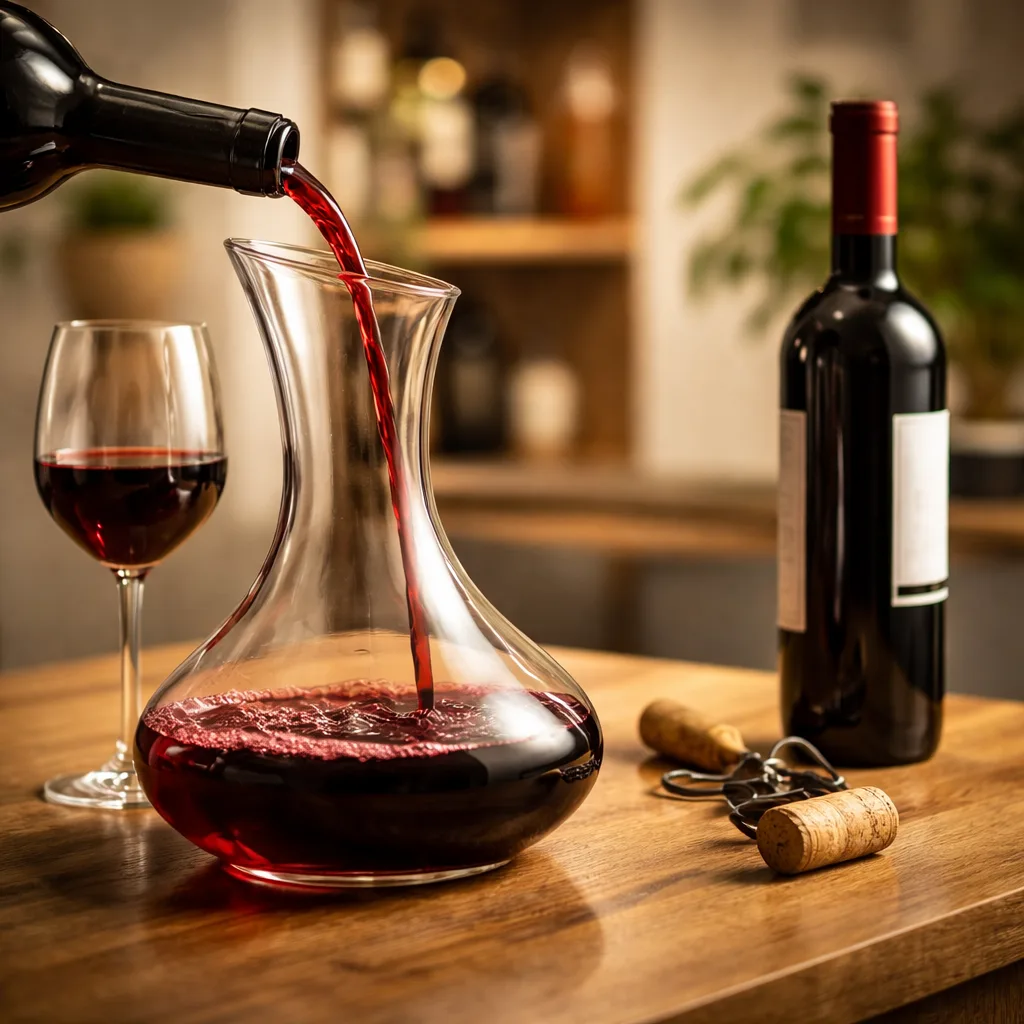
Red wine is often associated with rituals such as swirling, decanting and “letting it breathe”. Some people swear by it, while others see it as unnecessary. This leads to a common question: does red wine actually need to breathe, or is it just tradition?
The short answer is: sometimes. Some red wines benefit from exposure to air, while others do not. Whether breathing helps depends on the style of wine, its age, structure and how it has been made.
This guide explains what “breathing” really means, when it helps, when it doesn’t, and how to decide whether a red wine should be opened early or poured straight away.
What Does It Mean for Red Wine to Breathe?
When people say a wine needs to breathe, they usually mean exposing the wine to oxygen. This can happen in several ways:
- Opening the bottle and leaving it uncorked
- Pouring the wine into a glass and swirling it
- Decanting the wine into another vessel
Oxygen interacts with compounds in the wine, which can change aromas, flavours and texture. This process can soften harsh edges and make some wines more expressive.
Why Oxygen Affects Red Wine
Red wine contains tannins, acids and aromatic compounds that evolve when exposed to air. In certain wines, especially young or structured reds, these elements can feel tight or closed when first opened.
A small amount of oxygen can:
- Soften tannins
- Release aromas
- Make flavours taste rounder and more open
However, too much oxygen can eventually cause wine to lose freshness and taste flat.
Do All Red Wines Need to Breathe?
No. Most red wines do not need to breathe for long, and many are perfectly enjoyable as soon as they are poured.
Whether a red wine benefits from breathing depends on:
- Grape variety
- Age of the wine
- Tannin level
- How the wine was made
Light, fruit-forward red wines are usually designed to be drunk immediately and may not improve with extended exposure to air.
Which Red Wines Benefit from Breathing?
Red wines that tend to benefit from breathing are usually:
- Young
- Tannic
- Structured
- Made for ageing
These wines can feel tight or closed when first opened and may open up with time in the glass or after decanting.
Full-bodied reds with firm structure often show more complexity after some exposure to oxygen.
Which Red Wines Do Not Need to Breathe?
Many red wines are made to be approachable straight away and do not require breathing.
These include:
- Light-bodied reds
- Fruity, low-tannin styles
- Wines made for early drinking
Leaving these wines open for too long can actually reduce their freshness rather than improve them.
Does Swirling in the Glass Count as Breathing?
Yes. Swirling wine in the glass exposes it to air and is often enough for most red wines.
For everyday wines, simply pouring a glass and giving it a gentle swirl allows aromas to develop naturally. This is usually sufficient and avoids the risk of overexposure.
What Is Decanting and How Is It Different?
Decanting involves pouring wine from the bottle into another container, increasing the surface area exposed to air. This accelerates the breathing process.
Decanting is useful for:
- Young, tannic red wines
- Wines that seem tight or closed
- Separating older wines from sediment
Not all red wines benefit from decanting, and it should be used selectively rather than automatically.
How Long Should Red Wine Breathe?
There is no single rule, but general guidance can help.
Many red wines need only:
- A few minutes in the glass
- Gentle swirling
More structured wines may benefit from:
- 30 minutes to an hour of air
Leaving a wine open for several hours is rarely necessary and can sometimes do more harm than good.
Can Red Wine Be Left Open Too Long?
Yes. While oxygen can improve some wines initially, too much exposure eventually leads to oxidation.
Signs that a wine has been open too long include:
- Dull or flat aromas
- Loss of fruit character
- Sour or tired flavours
This is why breathing should be controlled and purposeful rather than excessive.
Does Older Red Wine Need to Breathe?
Older red wines behave differently from young ones. While young wines often need air to open up, older wines can be more fragile.
With aged red wine:
- Too much oxygen too quickly can cause flavours to fade
- Gentle handling is important
- Extended decanting is usually avoided
Older wines often open naturally in the glass without much intervention.
Does Letting Red Wine Breathe Remove Alcohol?
No. Letting wine breathe does not meaningfully reduce alcohol content.
Any perceived change is due to aromas becoming more integrated, not alcohol evaporating in a significant way.
Is Breathing the Same as Letting Wine Warm Up?
No, but the two are often confused.
Letting wine warm up changes temperature, which affects aroma and mouthfeel. Breathing involves oxygen exposure. Both can influence how a wine tastes, but they are separate processes.
Practical Advice: Should You Let Red Wine Breathe?
A simple approach works best:
- Taste the wine when first poured
- If it feels tight or harsh, give it time in the glass
- Use decanting only if needed
There is no need to automatically let every red wine breathe.
Common Myths About Letting Red Wine Breathe
Some common misconceptions include:
- All red wine needs to breathe
- Longer breathing is always better
- Breathing fixes poor-quality wine
In reality, breathing can enhance good wine but cannot improve a wine that is fundamentally flawed.
So, Does Red Wine Need to Breathe?
Sometimes — but not always.
Many red wines are enjoyable immediately, while others benefit from a little air to show their best. The key is understanding the style of wine and responding to how it tastes when opened, rather than following rigid rules.
Summary: Red Wine and Breathing
Breathing allows oxygen to interact with red wine, which can soften tannins and release aromas in some cases. Young, structured red wines often benefit the most, while lighter or older wines usually need little or no breathing.
The best approach is simple: taste first, then decide. With experience, knowing when to let red wine breathe becomes instinctive rather than ritual.