Dry Italian rosé wine is one of the most misunderstood styles in the wine world. While many people assume rosé is sweet, traditional Italian rosato is almost always crisp, refreshing and completely dry. Across Italy, producers craft dry Italian rosé wine using native grapes and regional techniques that reflect local climate and cuisine. From pale northern blush wines to deeper southern rosatos bursting with fruit and structure, dry Italian rosé wine offers far more diversity than most drinkers realise.
This guide is designed to build genuine authority. We’ll explore how rosato is made, why Italian rosé is so diverse, how climate and grape choice shape flavour, how to interpret colour, which regions specialise in rosé, how to pair it with food and how to choose the right style for your taste. Throughout, we’ll reference real Italian rosés that reflect these styles, using current bottles you can actually buy as examples rather than sales hooks.
What Is Italian Rosé (Rosato)?
Rosato is made from red wine grapes, but unlike red wine, the skins are removed early during production. When grapes are crushed, colour, tannin and flavour compounds are released from the skins. For rosé, winemakers allow this contact for only a short period – anywhere from two hours to one day – before pressing the juice off the skins.
This limited contact extracts enough pigment to tint the wine pink, but not enough tannin to create the structure of red wine. The result is a wine that sits stylistically between red and white: fresh, aromatic and food-friendly, with subtle red fruit character but very little bitterness.
Importantly, rosé is not made by mixing red and white wine. That method is illegal in most quality wine regions, including Italy. True rosato gains its colour naturally through controlled skin contact, which is why serious producers can fine-tune style by adjusting extraction time.
Why Italian Rosé Is So Diverse
Italy has more native grape varieties than any other wine country, with over 500 officially recognised. This alone creates enormous diversity in rosato styles. While Provence relies heavily on Grenache, Cinsault and Syrah, Italy uses grapes such as Sangiovese, Negroamaro, Montepulciano, Aglianico, Nerello Mascalese and even Pinot Grigio.
Climate further widens the spectrum. Northern regions are cooler, producing crisp rosés with high acidity and delicate fruit. Southern regions experience intense sunshine, leading to riper grapes, deeper colour and fuller body. Altitude, soil type and coastal influence also play significant roles.
Because of this, Italian rosé cannot be defined by one single style. Instead, it is best understood as a family of wines linked by technique rather than flavour profile.
Understanding Rosé Colour
Rosato colour ranges from pale onion skin to deep ruby pink. Colour does not indicate sweetness. Many pale rosés are bone dry, while darker rosatos can remain crisp and refreshing. Colour is influenced by grape variety, skin thickness and extraction time.
Thick-skinned grapes such as Negroamaro or Montepulciano release pigment quickly, resulting in deeper colour even after short contact. Thin-skinned grapes such as Pinot Grigio create pale blush wines even with extended maceration. Neither style is superior – they simply offer different drinking experiences.
Northern Italian Rosé Styles
In northern Italy, rosato tends to be light, crisp and subtle. Veneto, Friuli and Trentino produce pale rosés with refreshing acidity and restrained fruit. These wines typically show flavours of wild strawberry, citrus peel, green apple and melon.
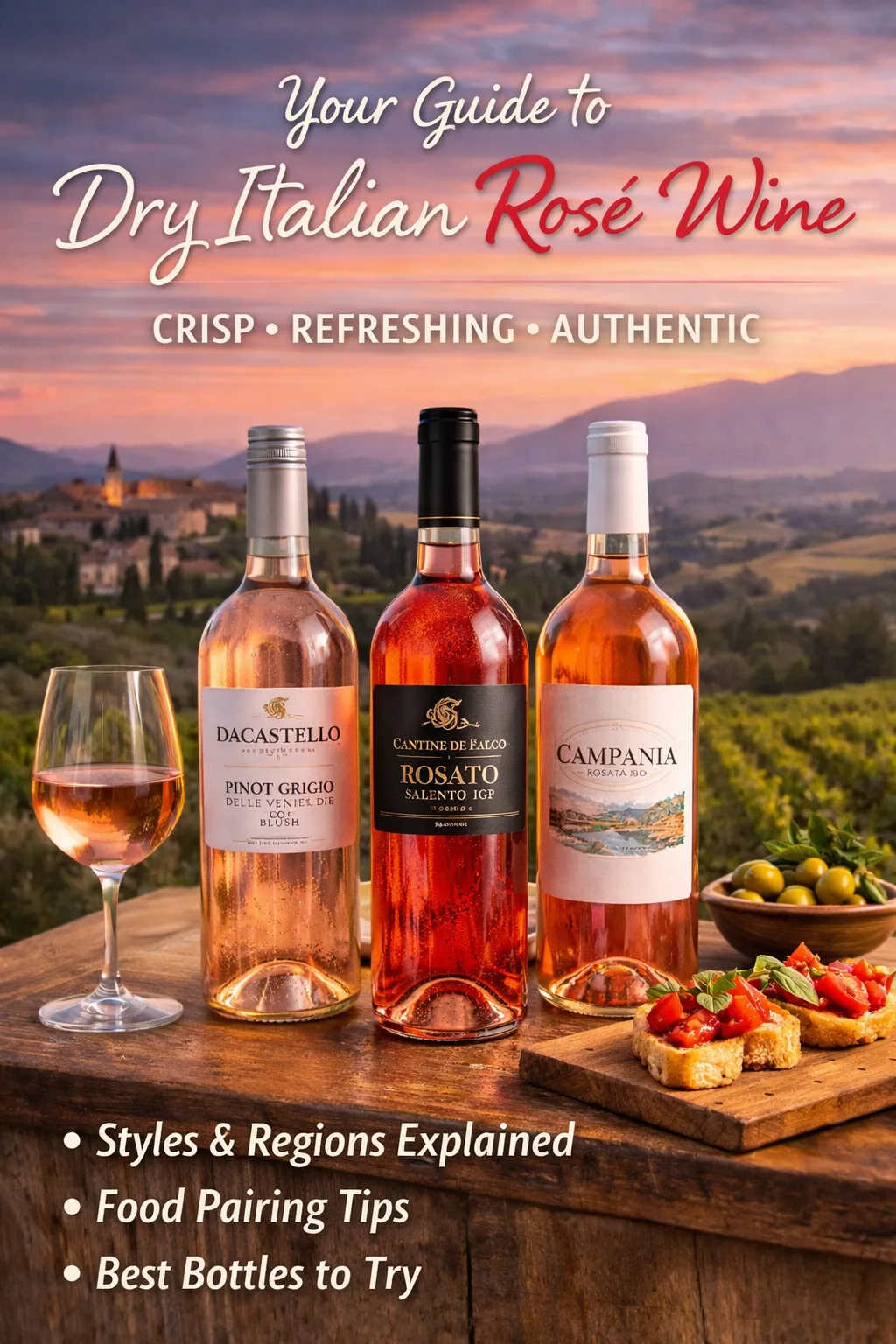
One of the best examples of this style is Dacastello Pinot Grigio delle Venezie DOC Blush. This wine demonstrates classic northern rosato character: pale colour, crisp acidity and subtle red fruit. Pinot Grigio naturally has grey-pink skins, so even brief contact produces a delicate blush hue. The result is a wine that feels more like a fresh white wine with an extra layer of fruit complexity.
These styles are ideal for aperitifs, seafood, salads and light pasta dishes. If you normally drink Sauvignon Blanc or dry Pinot Grigio, this is the rosé category most likely to suit your palate.
Southern Italian Rosato Styles
Southern Italy produces some of the most characterful rosatos in the country. Regions such as Puglia, Campania, Calabria and Sicily benefit from warm temperatures that create riper fruit and fuller body. These wines tend to be deeper in colour and more aromatic.
Flavours often include cherry, raspberry, pomegranate and redcurrant, sometimes with subtle herbal or savoury notes. Despite their richer profile, quality southern rosatos remain dry and refreshing thanks to balanced acidity.
A benchmark example is Cantine de Falco Rosato Salento IGP. Made in Puglia, this wine shows the depth southern rosato can achieve. It has expressive red berry fruit, a slightly broader mouthfeel and enough structure to pair confidently with food.
This style suits drinkers who normally prefer light reds such as Beaujolais or Valpolicella but want something cooler and more refreshing.
Campania – A Region Worth Watching
Campania is one of Italy’s most exciting modern wine regions. Historically known for rustic wines, today it produces refined rosatos with real personality. Volcanic soils around Mount Vesuvius and coastal influences help maintain acidity while allowing grapes to ripen fully.
Campania IGP Rosato captures this balance perfectly. It offers floral aromatics, red berry fruit and bright acidity. This is the kind of rosé that works as well with food as it does on its own, making it ideal for dinner parties and entertaining.
Dry vs Fruity – How To Read Flavour
Many people confuse fruit flavour with sweetness. Most quality Italian rosé is dry, even when it shows ripe strawberry or cherry notes. Dryness refers to sugar content, not flavour intensity. Always check the style description rather than assuming based on colour or aroma.
Northern rosé tends to be lighter and more restrained, while southern rosato shows riper fruit but remains dry. If you dislike sweet wines, stick to Italian rosato over mass-produced rosé brands.
How Italian Rosé Is Made
There are two main production methods. The most common is short maceration, where crushed grapes remain in contact with skins for several hours before pressing. This produces elegant, pale rosé.
The second method is saignée, where juice is bled off early from red wine fermentation. This results in slightly richer rosatos. Italian producers rarely use blending, which is generally avoided in quality wine regions.
Fermentation is usually done at cool temperatures in stainless steel to preserve aromatics. Most rosato is designed to be consumed young, although fuller southern styles can age for 1–2 years.
Food Pairing With Italian Rosé
Rosé is one of the most food-friendly wine styles available. Light northern rosé works beautifully with shellfish, grilled vegetables, mozzarella and summer salads. Southern rosato pairs well with pizza, pasta, grilled chicken, sausages and Mediterranean dishes.
Because rosé sits between red and white, it’s perfect when you’re unsure what to serve. It’s also ideal for groups where preferences vary. For BBQs, rosé handles smoky flavours without overwhelming them.
When To Drink Italian Rosé
Although often associated with summer, rosato works year-round. Lighter styles suit warm weather, while fuller rosatos complement autumn dishes. There is no rule restricting rosé to sunny days.
Serving Temperature & Glassware
Serve rosé chilled but not ice cold, ideally between 8–10°C. Use a standard white wine glass to allow aromas to develop. Avoid small flutes, which trap aromas.
How To Choose The Right Italian Rosé
Start with your usual preferences. If you drink crisp whites, choose pale northern styles. If you prefer reds, go for deeper southern rosato. Consider the occasion and food pairing. Price is not everything, but very cheap rosé is often mass-produced. Look for regional labels and producer information.
Is Italian Rosé Good For Gifting?
Rosé makes an excellent gift. It’s versatile, approachable and less predictable than standard red or white. A well-chosen Italian rosato shows thoughtfulness and originality.
How Long Does Rosé Last Once Opened?
Once opened, rosé lasts 2–3 days in the fridge with a stopper. Lighter styles fade faster, fuller styles last slightly longer. Always reseal and refrigerate.
Does Rosé Have Less Alcohol?
Rosé typically ranges from 11–13% ABV, similar to white wine. It’s often slightly lower than full-bodied reds but not significantly lighter.
Final Thoughts
Italian rosé is far more than a summer novelty. With huge diversity of grapes, regions and styles, it offers something for every palate. Whether you prefer crisp blush wines or deeper southern rosatos, Italian rosato deserves a permanent place in your wine rotation. Once you start exploring it properly, it often becomes a staple rather than an occasional choice.