Italian wine styles are often discussed in terms of regions or grape varieties, but for most people buying wine in the UK, style is what really matters. Whether you enjoy crisp dry whites, rich reds, celebratory sparkling wines or indulgent dessert wines, Italy produces outstanding examples in every major wine style — often with more character and food-friendliness than better-known international alternatives.
This guide explains Italian wine styles in clear, practical terms, helping UK wine drinkers choose confidently, understand labels, and match wines to meals and occasions.
Why Wine Style Matters More Than Region (At First)
When choosing wine, most people are subconsciously asking whether it is dry or sweet, light or full-bodied, still or sparkling, and whether it is better suited to food or sipping. Italian wines can seem intimidating because of unfamiliar names, but once you understand style first, everything else becomes simpler. This approach is particularly helpful for UK buyers navigating Italian wine online.
Dry Italian Wines (The Backbone of Italian Drinking)
Dry wines make up the vast majority of Italian production and are what Italians drink day to day.
Dry Italian Red Wines
Italian dry reds range from light and fresh to powerful and age-worthy.
Typical characteristics include little to no residual sugar, balanced acidity that works well with food, and flavours that are often savoury rather than overtly sweet or jammy.
Light, fresh styles are ideal for pasta, pizza and casual meals. Medium-bodied reds suit roast meats and richer sauces. Full-bodied styles work best with red meat, steak and slow-cooked dishes.
For UK food pairings, dry Italian reds work particularly well with spaghetti Bolognese, Sunday roast lamb, beef stews and grilled meats. Their acidity cuts through richness rather than overwhelming the dish, which is why Italian reds often feel more natural at the table than heavier international styles.
Dry Italian White Wines
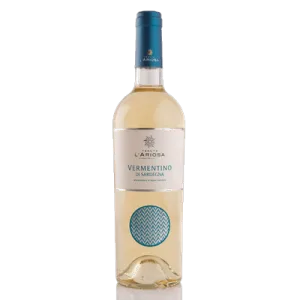
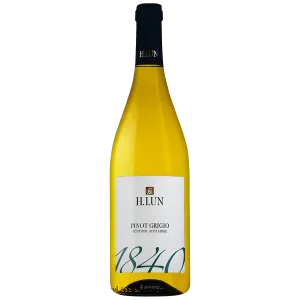
Italian dry whites are frequently underestimated, yet they are among the most food-friendly wines available.
They are typically crisp, clean and refreshing, with subtle fruit rather than sweetness. Styles range from zesty and mineral whites suited to seafood, through to aromatic but dry wines that handle herbs and spices well, and richer, textured whites that pair comfortably with creamy dishes.
UK food matches include fish and chips, roast chicken, seafood pasta, risotto and dishes with butter or cream. For drinkers who enjoy Sauvignon Blanc or basic Pinot Grigio, Italian whites offer a much broader and more interesting range once you look beyond entry-level supermarket bottles.
Sweet Italian Wines (Dessert & Celebration Styles)
Italy produces some of the world’s most respected sweet wines, often made using traditional methods that prioritise balance rather than heavy sweetness.
Sweetness in Italian wine usually comes from late-harvest grapes, dried grapes using the appassimento method, or by stopping fermentation early. Unlike mass-produced sweet wines, these styles tend to retain freshness, acidity and complexity.
Italian Dessert Wines
Italian dessert wines are usually enjoyed after meals or alongside pudding.
They often show flavours of honey, dried fruit, nuts and spice, balanced by acidity so they do not feel cloying. Alcohol levels are typically moderate compared to fortified wines.
In the UK, they pair beautifully with biscotti, shortbread, Christmas pudding, panettone and blue cheese. They are also a strong choice for people who say they “don’t usually like wine”, as they are approachable but still refined.
Semi-Sweet and Off-Dry Styles
Some Italian wines sit between dry and sweet. These off-dry styles are particularly important for UK drinkers because many people who believe they prefer dry wine actually enjoy a small amount of residual sugar, especially with food.
Off-dry Italian wines are excellent with spicy cuisine such as Indian and Thai food, spiced pork dishes and soft cheeses. They offer versatility and are often overlooked, which means they can represent very good value.
Italian Sparkling Wines (More Than Just Prosecco)
Italy is one of the world’s largest producers of sparkling wine, offering styles that range from light and casual to complex and age-worthy.
Prosecco: Fresh and Easy-Drinking
Prosecco is the most recognisable Italian sparkling wine in the UK.
It is typically light, fresh and fruit-forward, with styles ranging from dry to slightly off-dry. Good Prosecco should feel crisp and refreshing rather than overtly sweet.
It works well as an aperitif, for parties and celebrations, and for relaxed summer drinking. When well made, it is ideal for informal occasions where you want something uplifting and uncomplicated.
Traditional-Method Italian Sparkling Wines
Italy also produces serious sparkling wines made using the same traditional method as Champagne.
These wines tend to have finer bubbles, more complexity and drier profiles, often showing notes of bread, toast and nuts alongside fruit. For UK drinkers, they can be excellent alternatives to Champagne, frequently offering better value while maintaining quality and structure.
Sweet Sparkling Wines
Italy is famous for lightly sparkling sweet wines, which are often lower in alcohol and highly aromatic.
They are best enjoyed chilled and work well with desserts, fruit-based puddings or simply on their own. These wines are particularly popular with people who find Champagne or very dry sparkling wines too sharp.
Fortified Italian Wines (Rich, Historic and Underrated)
Fortified wines are made by adding grape spirit during or after fermentation, increasing alcohol and stability.
Marsala and Other Fortified Styles
Italy’s most famous fortified wine is Marsala, though it exists in a wide range of styles from dry and savoury to rich and sweet.
Flavour profiles commonly include nuts, caramel, dried fruit and spice. While Marsala is often associated with cooking in the UK, high-quality examples are excellent sipping wines in their own right.
How Fortified Italian Wines Are Enjoyed
Dry styles can work as aperitifs, while richer versions are ideal after dinner. They pair particularly well with strong cheeses, chocolate desserts, or simply enjoyed slowly on their own.
One practical advantage is that fortified wines keep well once opened, making them convenient for occasional drinking.
Choosing the Right Italian Wine Style for You
If you are unsure where to start, think about when and how you will drink the wine.
Ask yourself whether the wine is for food or sipping, whether you prefer crisp or rich flavours, and whether you are drinking alone, with friends or celebrating something.
As a general guide, dry Italian reds and whites suit everyday meals, sparkling wines work best for celebrations, sweet or fortified wines pair well with dessert and cheese, and off-dry styles are excellent with spicy food.
Why Italian Wine Styles Work So Well for the UK Market
Italian wines naturally suit British tastes because they are food-focused rather than overly fruity, offer acidity that balances rich dishes, come in a wide range of alcohol levels and often provide excellent value compared to many New World wines.
For UK drinkers looking to move beyond supermarket staples, Italian wine styles offer depth, character and flexibility without pretension.
Final Thoughts
Understanding Italian wine does not require memorising hundreds of grape varieties or regions. By starting with style — dry, sweet, sparkling or fortified — you can explore Italian wine with confidence and choose bottles that suit your taste, food and budget.
Whether you are planning a dinner party, buying a gift or enjoying a glass at home, Italian wine styles offer some of the most rewarding options available to UK wine lovers.