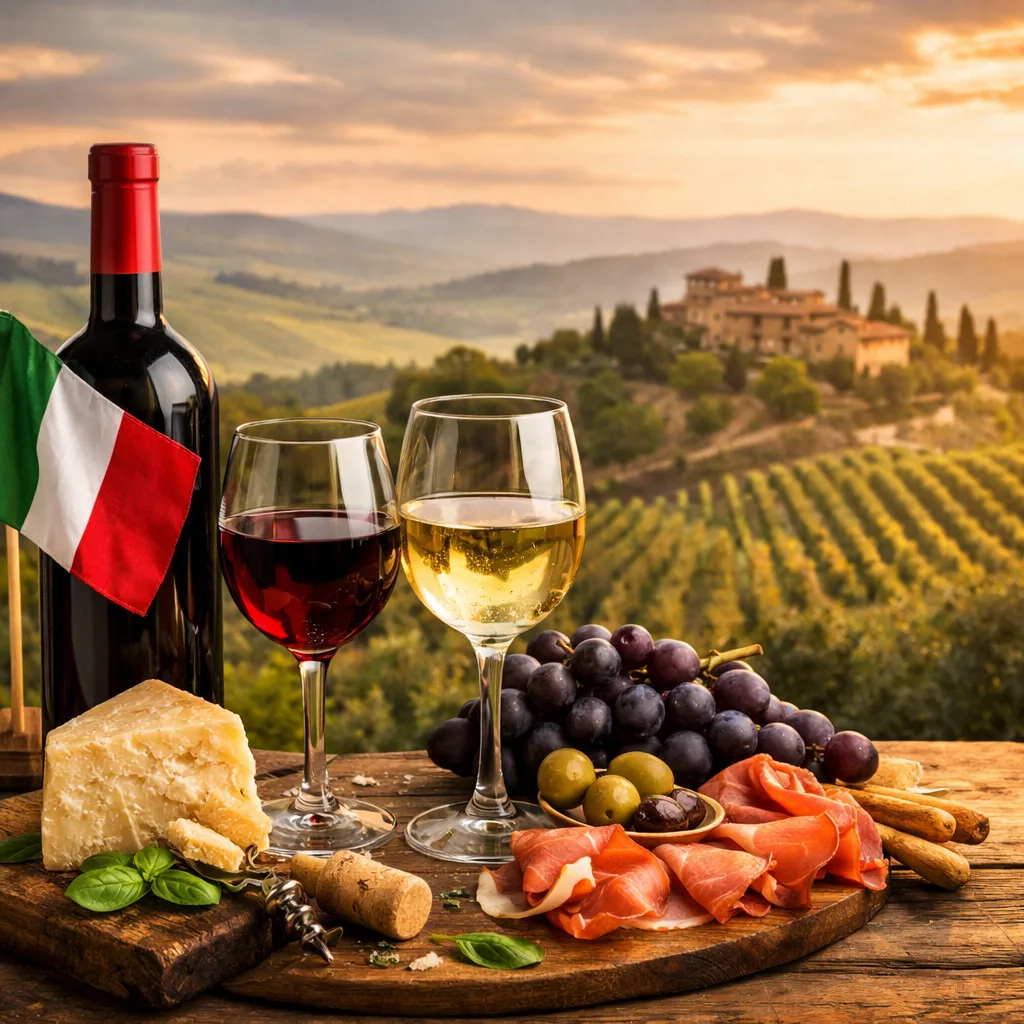
Italian wine is one of the most diverse and historically important wine categories in the world. Italy produces more wine than any other country, with thousands of grape varieties, hundreds of recognised wine regions, and styles that range from crisp, mineral whites to powerful, age-worthy reds and traditional sparkling wines.
When people ask what is Italian wine, they are usually trying to understand what makes it different from French or Spanish wine, why it tastes so varied, and how to make sense of the names, regions and styles. This guide explains Italian wine in simple terms, covering how it is made, what styles exist, and why Italy’s approach to wine is so distinctive.
What Defines Italian Wine?
Italian wine is defined less by a single style and more by place, tradition and grape variety. Unlike countries that rely heavily on a small number of international grapes, Italy has built its wine culture around native varieties that reflect local climate, soil and food traditions.
Three things define Italian wine more than anything else:
- A strong link between wine and food
- A focus on regional identity
- A preference for balance and freshness over power
This is why Italian wine often tastes lighter, drier or more acidic than wines from warmer regions elsewhere.
How Much Wine Does Italy Produce?
Italy is consistently one of the world’s top wine producers, often alternating with France for first place. It produces wine in every part of the country, from the Alpine regions in the north to the islands of Sicily and Sardinia in the south.
What makes Italy unique is not just volume, but diversity. No other country has as many officially recognised grape varieties or wine styles.
Italian Wine Regions Explained
Italy is divided into 20 wine regions, each with its own climate, traditions and dominant grapes. These regions are often further divided into smaller sub-regions and appellations.
Broadly speaking:
- Northern Italy produces fresher, higher-acid wines
- Central Italy focuses on structured, food-friendly reds
- Southern Italy produces riper wines, but often with surprising freshness
Because of Italy’s geography, two wines made from the same grape can taste completely different depending on where they are grown.
The Importance of Native Grape Varieties
One of the key reasons Italian wine can be confusing is the sheer number of grape varieties used. Italy has over 500 officially recognised native grapes, far more than most wine-producing countries.
Some of the most important include:
- Sangiovese
- Nebbiolo
- Barbera
- Aglianico
- Pinot Grigio
- Verdicchio
- Fiano
Rather than blending grapes to create a consistent house style, Italian winemaking often highlights the character of a single grape grown in a specific place.
Red Italian Wine Styles
Italian red wines are usually dry, with acidity and structure designed to complement food.
Common characteristics include:
- Moderate alcohol
- Bright acidity
- Savoury, earthy flavours rather than sweetness
Examples range from lighter everyday reds to serious wines built for ageing. Even fuller-bodied Italian reds tend to emphasise balance rather than power.
White Italian Wine Styles
Italian white wines are often crisp, fresh and dry. Many are made to be drunk young, but some styles have surprising depth and ageing potential.
Typical features include:
- High acidity
- Clean, mineral flavours
- Lower alcohol than many international whites
These qualities make Italian white wines particularly food-friendly.
Is Italian Wine Sweet or Dry?
Most Italian wine is dry.
Italy does produce sweet wines, but they are usually made intentionally for dessert or special occasions. Everyday Italian wines, whether red or white, are almost always fermented fully dry.
This focus on dryness is tied to Italy’s food culture, where wine is meant to complement meals rather than dominate them.
Sparkling Italian Wine
Italy produces a wide range of sparkling wines, from light and fresh styles to more complex examples made using traditional methods.
Italian sparkling wine is often:
- Lower in alcohol
- Fruit-driven
- Designed for easy drinking
Some styles are dry, while others contain more residual sugar, depending on how they are labelled.
How Italian Wine Is Classified
Italian wine labels are governed by a classification system that reflects origin and production rules rather than quality alone.
The main categories are:
- Vino – basic wine with minimal geographic indication
- IGT – wine with a broader regional identity
- DOC – controlled origin with defined rules
- DOCG – the highest classification with stricter controls
These classifications help identify where a wine comes from, but they do not automatically indicate style or personal preference.
Why Italian Wine Is So Food-Focused
Italian wine evolved alongside Italian cuisine. Historically, wine was made to be consumed with meals rather than on its own.
This is why Italian wines often:
- Have higher acidity
- Avoid heavy sweetness
- Pair well with salty, acidic or rich foods
Even today, many Italian winemakers judge a wine’s success by how well it works at the table.
Why Italian Wine Tastes So Different From Other Wines
Italian wine can taste very different from New World wines because of:
- Less reliance on oak
- Earlier harvesting for acidity
- Lower alcohol levels
- Traditional winemaking methods
These choices produce wines that feel lighter, drier and more restrained, even when they are complex.
Is Italian Wine Good Quality?
Yes — but quality in Italian wine is contextual, not uniform.
Italy produces:
- Simple everyday wines
- Excellent mid-range wines
- World-class fine wines
The challenge is knowing what you are buying, as labels often emphasise region rather than grape or flavour profile.
How to Choose Italian Wine If You’re New to It
If you are new to Italian wine, it helps to:
- Focus on grape variety first
- Choose wines designed for food
- Avoid assuming all Italian wine tastes the same
Italian wine rewards curiosity more than brand loyalty.
Common Misconceptions About Italian Wine
Some common myths include:
- All Italian wine is sweet
- Italian wine is low quality unless expensive
- Italian wine is hard to understand
In reality, Italian wine is varied, expressive and accessible once the basics are understood.
Why Italian Wine Matters Globally
Italian wine has influenced winemaking around the world through its emphasis on terroir, food pairing and native grapes. Many modern wine movements draw inspiration from Italy’s regional approach.
Rather than chasing trends, Italian wine has remained rooted in tradition, which is why it continues to feel relevant today.
Summary: What Is Italian Wine?
Italian wine is not a single style or flavour. It is a collection of regional traditions, native grapes and food-focused wines that prioritise balance over power.
Whether you enjoy crisp whites, structured reds or sparkling wines, Italian wine offers depth, diversity and a strong sense of place. Understanding Italian wine begins with understanding its regions, grapes and connection to food — not just the label on the bottle.