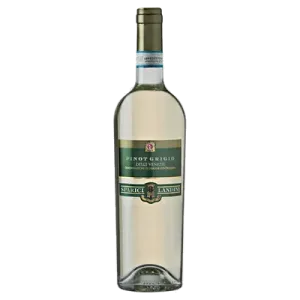
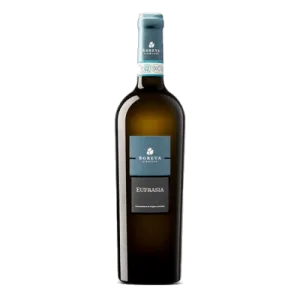
Medium-bodied white wine sits between light, refreshing styles and rich, full-bodied whites. It is often described as balanced, smooth and versatile, offering more weight and texture than light-bodied wine without feeling heavy or creamy.
This guide explains what medium-bodied white wine is, how body works in wine, what influences it, how medium-bodied wines taste, and which white wine styles are typically considered medium-bodied.
The Simple Definition of Medium-Bodied White Wine
Medium-bodied white wine is white wine that feels moderately weighted on the palate. It has more texture and presence than light-bodied wine but does not coat the mouth or feel rich and dense like full-bodied wine.
Body refers to how a wine feels in the mouth, not how sweet, acidic or aromatic it is.
What “Body” Means in Wine
Body describes the physical sensation of wine on the palate. It is often compared to the difference between skimmed milk, semi-skimmed milk and full-fat milk.
Medium-bodied wines are similar to semi-skimmed milk. They feel rounded and smooth, without being heavy.
What Makes a White Wine Medium-Bodied?
Several factors influence whether a white wine falls into the medium-bodied category.
Alcohol Level
Wines with moderate alcohol tend to feel medium-bodied. Alcohol adds weight and warmth, so wines that sit between low and high alcohol often feel balanced rather than light or heavy.
Grape Variety
Some grapes naturally produce wines with moderate weight. These grapes offer a balance of acidity, flavour and texture, making them ideal for medium-bodied styles.
Climate and Ripeness
Grapes grown in moderate climates or harvested at balanced ripeness often produce medium-bodied wines. Extremely cool climates lean lighter, while very warm climates often push wines toward fuller body.
Winemaking Style
Limited oak use, controlled fermentation and moderate lees contact can add texture without overwhelming the wine. Medium-bodied wines often show some roundness but avoid heavy oak influence.
Medium-Bodied vs Light-Bodied White Wine
Light-bodied white wines feel delicate, subtle and refreshing. Medium-bodied wines feel more rounded and structured.
A light-bodied wine refreshes quickly and disappears from the palate, while a medium-bodied wine lingers slightly longer and has more presence.
Medium-Bodied vs Full-Bodied White Wine
Full-bodied white wines feel rich, creamy or dense, often due to higher alcohol, oak ageing or extended lees contact.
Medium-bodied wines sit comfortably between the two extremes, offering texture without heaviness.
Does Medium-Bodied Mean Dry?
Not necessarily.
Body and sweetness are different characteristics. Most medium-bodied white wines are dry, but a wine can be medium-bodied and slightly off-dry depending on style and balance.
Common Medium-Bodied White Wine Styles
Many popular white wines fall into the medium-bodied category.
Verdicchio is often medium-bodied, combining freshness with subtle texture. Soave typically offers balance and smoothness without heaviness. Fiano is another example, providing body and flavour without richness.
Unoaked or lightly oaked Chardonnay is commonly medium-bodied. White Rhône blends can also sit in this category depending on winemaking.
How Medium-Bodied White Wine Tastes
Medium-bodied white wine often tastes:
- Balanced and smooth
- Rounded on the palate
- Fresh but not sharp
- More expressive than light wines
The finish is usually clean, with enough weight to carry flavour without lingering heaviness.
When to Choose Medium-Bodied White Wine
Medium-bodied white wine is a good choice when:
- You want more texture than light wines provide
- You prefer balance over intensity
- You are pairing wine with moderately rich food
- You want a versatile option for mixed dishes
These wines are often crowd-pleasers because they suit a wide range of tastes.
Food Pairing With Medium-Bodied White Wine
Medium-bodied white wines are extremely food-friendly.
They pair well with roast chicken, pasta dishes, risotto, grilled fish and vegetable-based meals. Their balance allows them to handle richer flavours without overpowering lighter ingredients.
Common Misconceptions About Medium-Bodied White Wine
Some people assume medium-bodied wines are bland or unremarkable. In reality, they often offer the best balance between freshness and complexity.
Another misconception is that medium-bodied wines are always oaked. Many are unoaked or lightly oaked.
Summary
Medium-bodied white wine describes wines that feel balanced, smooth and moderately weighted on the palate. They sit between light-bodied and full-bodied styles, offering texture without heaviness.
Understanding what medium-bodied white wine means makes it easier to choose wines that suit both your taste and your food.