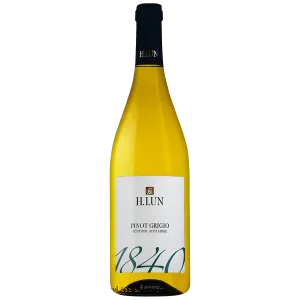
What temperature should white wine be served at to taste its best? Serving white wine at the correct temperature makes a significant difference to flavour, aroma and balance. Too cold, and the wine tastes muted; too warm, and it can feel flat or heavy.
This guide explains what temperature white wine should be served at, how different styles vary, and how to get it right at home without specialist equipment.
Why Serving Temperature Matters
White wine relies heavily on freshness, acidity and aroma. Temperature affects how these elements are perceived.
When white wine is too cold, aromas are suppressed and the wine can seem sharp or flavourless. When served too warm, alcohol and softness dominate, making the wine feel heavy and dull.
Correct temperature reveals balance, texture and character.
The Short Answer
Most white wines are best served between 7°C and 13°C, depending on style.
Lighter whites should be colder. Fuller-bodied whites should be slightly warmer.
Serving Temperature by White Wine Style
Light and Crisp White Wines
Examples include Sauvignon Blanc, Pinot Grigio, Albariño and dry Prosecco.
These wines are best served at 7–9°C. Cooler temperatures enhance freshness, acidity and citrus notes.
If served too warm, these wines lose their refreshing quality.
Medium-Bodied White Wines
Examples include Verdicchio, Soave, Fiano and unoaked Chardonnay.
These wines show best at 9–11°C. This allows fruit and texture to come through without losing freshness.
Full-Bodied and Oaked White Wines
Examples include oaked Chardonnay, Viognier and white Rhône blends.
These wines should be served slightly warmer, around 11–13°C. Serving them too cold hides complexity and structure.
Is White Wine Usually Served Too Cold?
Yes. One of the most common mistakes is serving white wine straight from a very cold fridge.
Domestic fridges are often set around 3–5°C, which is colder than ideal for most white wines. Wine served directly from the fridge often tastes muted and less expressive.
Allowing the wine to warm slightly improves flavour immediately.
How to Get the Temperature Right at Home
If your white wine has been in the fridge:
- Remove it 10–20 minutes before serving
- Pour into a glass and allow it to warm naturally
If the wine is too warm:
- Chill it in the fridge for 30–60 minutes
- Or place it in an ice bucket with water for 10–15 minutes
Avoid freezing or rapid chilling, which can damage flavour.
Does Glassware Affect Perceived Temperature?
Yes. Thin-rimmed glasses warm wine more quickly, while thicker glass retains cold longer.
Holding the glass by the stem rather than the bowl also helps keep the wine at the intended temperature.
Serving Temperature and Food Pairing
Correct temperature improves food pairing.
Cooler white wines pair better with seafood, salads and light dishes. Slightly warmer white wines pair better with creamy sauces, poultry and richer foods.
Serving temperature can make the difference between a good pairing and a disappointing one.
What About Sparkling White Wines?
Sparkling wines are generally served colder than still whites.
Most sparkling whites are best served around 6–8°C, which preserves freshness and carbonation. As the wine warms slightly in the glass, aromas become more expressive.
Common Myths About Serving White Wine
A common belief is that all white wine should be ice cold. This is incorrect and often reduces enjoyment.
Another myth is that warmer white wine is a fault. In reality, some styles are meant to be served warmer to show their character.
Practical Takeaway
Light whites should be served cold. Fuller whites should be served cool, not cold. When in doubt, it is better to serve white wine slightly warmer than too cold.
Summary
White wine should generally be served between 7°C and 13°C, depending on style. Light, crisp whites benefit from colder temperatures, while fuller-bodied whites show better when slightly warmer.
Serving white wine at the right temperature reveals aroma, balance and texture, making every glass more enjoyable.