
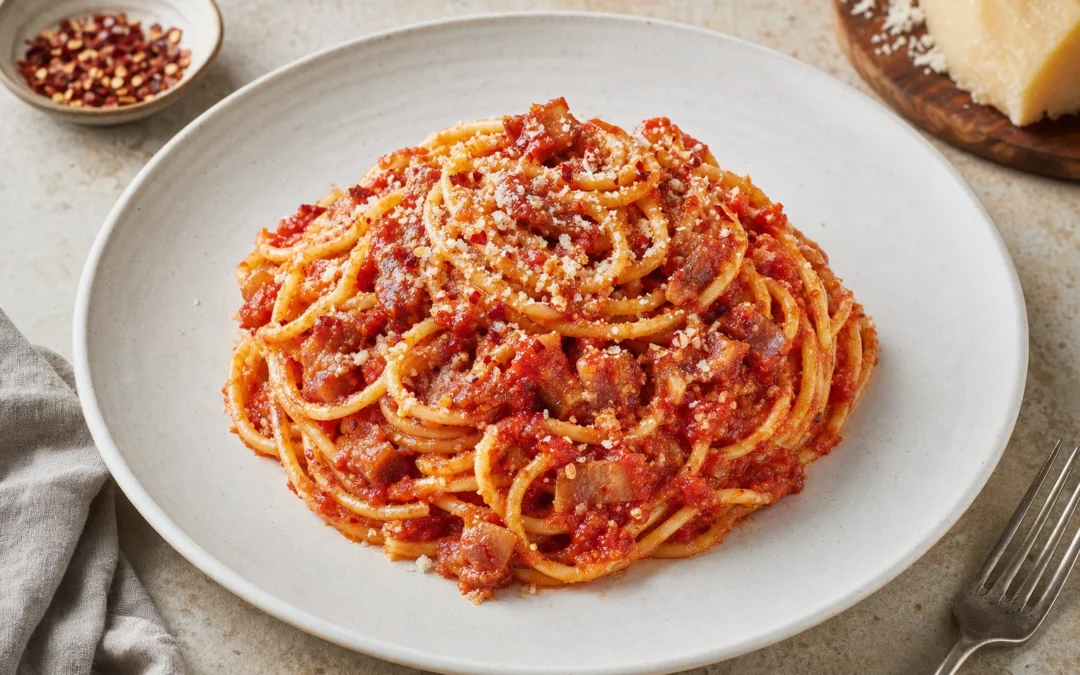
Best wine with Amatriciana
Amatriciana is a bold Roman pasta dish built around tomato, guanciale, Pecorino Romano and black pepper. The best wine pairings need bright acidity for the tomato, enough fruit to soften the saltiness of the cheese, and enough savoury character to sit comfortably beside the cured pork.
Our selected wines
Every bottle below is selected to complement the tomato, cured pork and Pecorino Romano without overpowering the dish. These are the styles we would happily pour with a traditional plate of Amatriciana.
Italian wines to pair with Amatriciana
Amatriciana needs a wine that suits its main flavours, texture and weight, while keeping the pairing balanced and food-friendly.
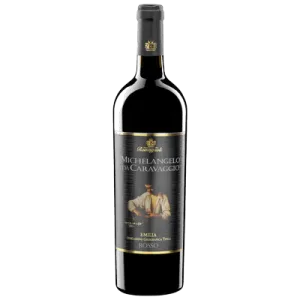

Riviera del Garda Classico DOC Chiaretto “Rosabel” – Sgreva Rosé Wine
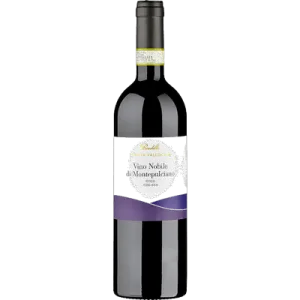
Bindella Vino Nobile di Montepulciano DOCG – Classic Tuscan Red Wine
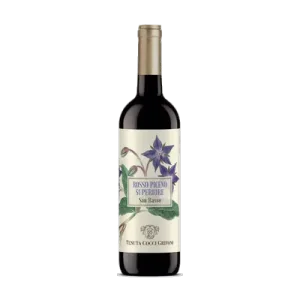
Rosso Piceno Superiore “San Basso” – Crafted Red from Marche, Italy
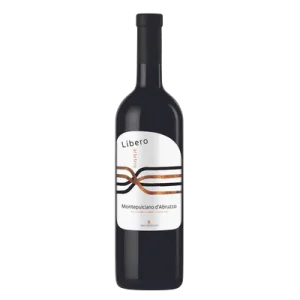

Best Italian grapes to look for
Sangiovese is a natural place to start because its red cherry fruit and bright acidity echo the tomato while keeping the finish lively.
Montepulciano can work beautifully when the wine is generous but not too heavy, adding dark fruit and softness around the salty pork.
Barbera brings vivid acidity and juicy fruit, which can refresh the palate after the richness of guanciale and Pecorino Romano.
Italian regions that make sense
Lazio is the natural regional reference, especially for wines with savoury freshness rather than heavy oak.
Abruzzo is a strong alternative because Montepulciano d’Abruzzo often brings generous fruit, rounded texture and enough freshness for tomato sauce.
Tuscan reds based on Sangiovese can be excellent when they are bright, food-friendly and not overly oaked.
🍽️Serving tips for Amatriciana
Serve most red wines for Amatriciana slightly below room temperature, around 15–17°C. A short chill keeps the wine fresh, stops alcohol from feeling warm, and makes the tomato sauce taste brighter. Avoid serving very big reds too warm, as they can make the dish feel heavier than it should.
🇮🇹Did you know?
Amatriciana is closely linked to Amatrice in Lazio and is often treated as one of the great Roman pasta sauces. Its older relative, gricia, is made without tomato, which is why the tomato element matters so much when choosing wine.
⚠️Common mistakes with Amatriciana wine pairings
A strong Amatriciana pairing is often about what you leave out as much as what you choose.
• Choosing a red that is too oaky. Oak can flatten the tomato and make the Pecorino Romano taste sharper.
• Going too heavy. Very powerful reds can dominate the pepper and cured-pork detail that makes Amatriciana so enjoyable.
• Ignoring acidity. Soft, low-acid wines often feel dull beside tomato sauce.
FAQs about wine with Amatriciana
What is the best wine with Amatriciana?
The best wine with Amatriciana is usually a fresh, medium-bodied Italian red with bright acidity, savoury fruit and moderate tannin. Sangiovese, Montepulciano and Barbera are strong places to start.
Can I drink white wine with Amatriciana?
A white wine can work if it has texture and freshness, but a fresh Italian red is usually more reliable because the dish combines tomato, guanciale and Pecorino Romano.
Does Chianti work with Amatriciana?
Yes. A bright, food-friendly Chianti can work very well because Sangiovese has the acidity and red fruit needed for tomato-based pasta.
Should red wine for Amatriciana be chilled?
Serve it slightly cool rather than warm. Around 15–17°C helps the wine feel fresher and keeps the richness of the guanciale in balance.
🍷Final pairing thought
For the most satisfying pairing, choose freshness before power. Amatriciana does not need a huge red wine; it needs a bottle that keeps the tomato bright, the guanciale savoury and the Pecorino Romano in balance.
The wine recommendations for Amatriciana are based on current Donzella Wines product data. Stock, vintage and pricing can change, so always check the live product page before choosing a bottle.