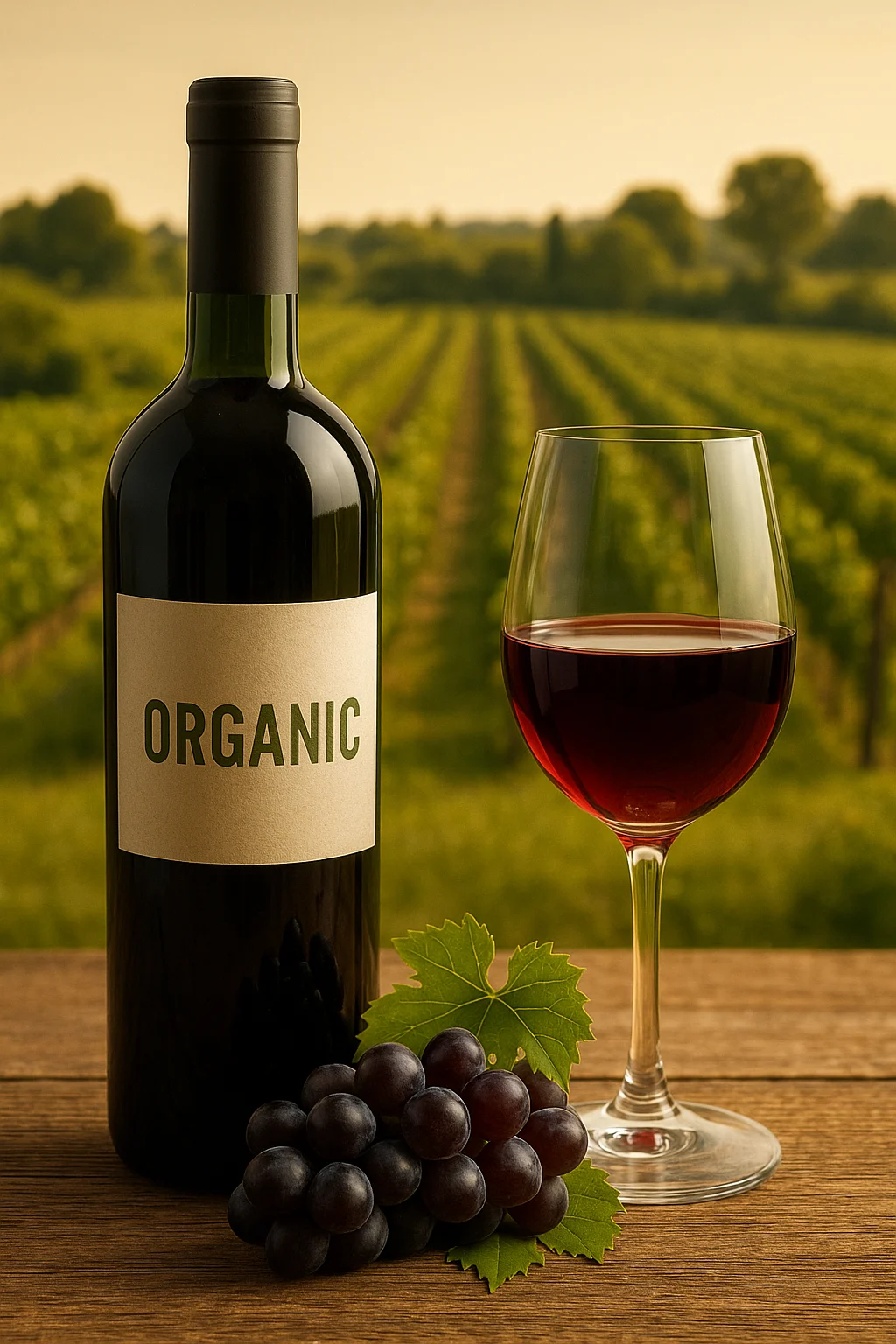
Italian organic wines are becoming increasingly popular across the UK as more consumers seek bottles made with care, transparency and environmental responsibility. Whether you’re interested in healthier vineyard practices, better flavour purity, or supporting small ethical producers, italian organic wines uk buyers can now explore an extraordinary range of options. Italy’s climate, soil diversity and deep agricultural heritage make it uniquely suited to producing high-quality organic wines at every price point. This guide explores what makes Italian organic wine special, how sustainability works in Italian vineyards, the best regions to look for, key grape varieties, and how to choose the right bottles for your needs.
Why Choose Italian Organic Wines?
Organic wines from Italy offer a combination of authenticity, flavour clarity and environmental sustainability that strongly appeals to British wine drinkers. The shift toward organic production in Italy has accelerated rapidly in the last decade. Many regions now see organic viticulture not as a marketing choice but as a return to traditional, pre-industrial winegrowing.
Several reasons explain why organic Italian wines are gaining traction in the UK:
Purity of flavour
Organic farming reduces synthetic chemicals, allowing grapes to express their natural character more clearly. This is especially noticeable in regions with strong terroir influences, such as Sicily, Tuscany and the Veneto.
Environmental responsibility
UK buyers increasingly want reassurance that vineyards use eco-friendly, sustainable methods. Organic certification provides a clear indication that growers avoid synthetic pesticides or harmful fertilisers.
Better value for money
Italy often provides some of the best organic wine value in Europe. Warm climates reduce disease pressure, making organic farming more viable and cost-effective, allowing producers to keep prices reasonable.
Support for small producers
Many artisan Italian winegrowers naturally farm organically or biodynamically, even if they only recently gained certification. Choosing organic often means supporting independent family estates rather than mass-produced labels.
What “Organic” Really Means in Italian Wine
In Italy, organic certification is defined by strict European Union regulations. To qualify as organic, vineyards must follow several key rules:
- No synthetic herbicides or pesticides
- No chemical fertilisers
- No genetically modified vines
- Cover crops and natural fertilisers preferred
- Limited interventions in winemaking
- Lower sulphite limits than conventional wine
Italy also has one of the highest proportions of organic vineyards in Europe. Regions such as Sicily, Tuscany, Abruzzo and Puglia have rapidly expanded organic production, thanks to favourable climates and increasing consumer demand from export markets like the UK.
Is Organic Wine the Same as Natural or Biodynamic Wine?
Organic wine is distinct from “natural wine” or “biodynamic wine.” It’s important for UK readers to understand the differences:
Organic
Certified farming without synthetic chemicals. Winemaking allows some interventions but at reduced levels.
Biodynamic
A holistic approach based on organic farming plus lunar calendars, compost preparations and closed-loop agriculture. Certification comes from groups like Demeter.
Natural
Not a legally defined term. Usually refers to minimal intervention, spontaneous fermentation, low sulphites and unfined/unfiltered wines.
Most wines sold as “organic” in the UK follow regulated, certifiable standards. Natural wines may be organic, but not all organic wines are natural wines.
Why Italy Excels at Organic Wine Production
Italy’s geography and climate make it an ideal country for sustainable, organic farming. Several factors play a role:
Consistent sunshine
Regions like Sicily and Puglia enjoy long, warm summers, reducing fungal disease risk and making organic practices easier.
Mountainous and coastal environments
Airflow from mountains and sea breezes helps keep vineyards dry and healthy, reducing the need for intervention.
Historic agricultural traditions
Many Italian growers use traditional techniques such as hand-harvesting, wild yeast fermentation and natural soil enrichment.
Strong regional diversity
From Alpine vineyards in the north to volcanic soils in the south, Italy produces an extraordinary range of organic wines with distinctive character.
This natural advantage means Italian organic wines often offer high quality for relatively modest prices.
The Best Italian Regions for Organic Wines
Some Italian regions have become leaders in organic wine, offering UK buyers a wide range of styles.
Sicily
Sicily is considered one of the world’s organic wine capitals. The hot, dry climate reduces vineyard disease, and many estates farm organically as standard practice.
Key organic Sicilian grapes:
- Nero d’Avola
- Grillo
- Catarratto
- Frappato
- Nerello Mascalese (Etna)
Flavours range from light volcanic reds to bold, fruit-driven southern styles.
Tuscany
Tuscany is home to numerous certified organic estates producing Chianti, Sangiovese-based reds, and white wines from Trebbiano and Vermentino.
Organic Tuscan wines typically show:
- Sour cherry
- Herbs
- Earthiness
- Balanced acidity
Tuscany’s cultural commitment to craftsmanship aligns naturally with organic viticulture.
Abruzzo
Abruzzo offers some of the best value organic wines in Italy, especially Montepulciano d’Abruzzo and Pecorino. This region’s high hills and coastal influence provide a stable environment for organic farming.
Expect:
- Full-bodied reds
- Fragrant white wines
- Excellent quality-to-price ratio
Puglia
Puglia produces rich, generous organic reds, particularly:
- Primitivo
- Negroamaro
- Aglianico (in northern Puglia)
This region is outstanding for UK buyers seeking bold organic wines without luxury pricing.
Veneto
The Veneto is a leader in organic sparkling and still wines. Look for:
- Organic Prosecco
- Organic Pinot Grigio
- Organic Valpolicella
For UK drinkers wanting organic versions of familiar favourites, Veneto is ideal.
Trentino–Alto Adige
The Alpine climate allows for crisp, pure organic whites with minimal intervention. Expect:
- Pinot Grigio
- Chardonnay
- Muller-Thurgau
- Lagrein
- Schiava
These wines often appeal to fans of cool-climate styles.
Key Organic Italian Grapes Worth Knowing
Understanding grape varieties helps UK drinkers navigate organic wine shelves more confidently.
Nero d’Avola
Dark, plummy, powerful and widely grown organically in Sicily. Excellent for BBQ food, winter meals and rich pasta.
Sangiovese
Italy’s most important grape. Organically produced Sangiovese offers higher purity and elegance, ideal for roast dinners and tomato-based dishes.
Montepulciano
Full-bodied, approachable and superb value when organically produced. A favourite for weekday meals in the UK.
Primitivo
Rich, warm and soft, often organically farmed in Puglia. Great for comfort food and winter stews.
Vermentino
A crisp organic white found in Tuscany and Sardinia. Excellent with seafood and fresh salads.
Fiano
A structured, aromatic organic white from Campania, offering depth and texture.
Are Organic Italian Wines Better for You?
Organic wine isn’t “health food,” but many UK consumers prefer it because:
- Lower chemical residue
- Lower permitted sulphur levels
- Cleaner fermentation processes
- Fewer additives allowed
- Often made by small, careful producers
Some drinkers report fewer headaches or sensitivities with organic wines, though this varies.
How to Spot Authentic Organic Italian Wine in the UK
To verify organic certification, look for:
- The EU organic leaf logo
- “Vino Biologico” (organic wine) on the label
- Accredited certifiers (ICEA, CCPB, Suolo e Salute, Demeter for biodynamic wines)
In the UK, most retailers clearly label organic wines online.
Best Italian Organic Wines for Different Occasions
Here’s a practical guide for UK drinkers:
For summer drinking
Organic Vermentino, organic Grillo, organic Prosecco
For everyday meals
Organic Montepulciano, organic Nero d’Avola
For roast dinners
Organic Chianti, organic Aglianico
For vegetarian dishes
Organic Etna Rosso, organic Pecorino
For seafood
Organic Fiano, organic Pinot Bianco
Are Organic Wines More Expensive?
Not always. Italy often outperforms France and Spain for organic value. Several factors keep prices accessible:
- Climate reduces disease pressure
- Many estates were organic before it became trendy
- Lower marketing overheads for small producers
- Export-friendly pricing
Buying organic in Italy rarely means paying luxury premiums.
Why Organic and Sustainable Wines Align with Modern UK Consumer Values
British drinkers increasingly prioritise environmental responsibility and ethical production. Italian organic wines match these values through:
- Regenerative agriculture
- Heritage farming
- Biodiversity in vineyards
- Cultural emphasis on craftsmanship
- Reduced chemical inputs
- Respect for natural ecosystems
This cultural alignment helps drive long-term demand.
Final Thoughts: Why Italian Organic Wines Deserve a Place in Your UK Wine Rack
Italian organic wines combine authenticity, environmental responsibility, variety and affordability. From Sicilian volcanic reds to crisp Alpine whites, Italy produces some of the world’s most compelling organic bottles at every price point. For UK drinkers seeking wines that taste pure, perform well with food and support sustainable practices, organic Italian wines offer exceptional choice. A well-curated organic selection provides opportunities for exploration, education and long-term drinking pleasure.
For retailers specialising in Italian wine, guiding customers toward organic options strengthens trust, deepens brand authority and matches the rising demand for ethical and quality-driven drinking.