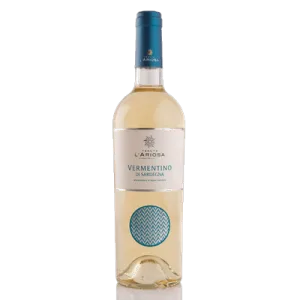
Embarking on a journey into the world of wine, let’s unravel the mystery of dryness. “What is dry wine?” you may wonder. In a nutshell, dry wine is a style that lacks sweetness. Here’s a concise guide on recognizing it and enhancing your experience.
Recognizing Dry Wine:
- Sugar Levels: Dry wines have minimal residual sugar, resulting in a lack of sweetness on the palate.
- Tasting Notes: Look for descriptors like “crisp,” “austere,” or “bone-dry” in wine descriptions, signaling a lack of sweetness.
- Grapes Varieties: Certain grape varieties, such as Sauvignon Blanc or Cabernet Sauvignon, are known for producing dry wines.
- Alcohol Content: Dry wines often have higher alcohol content, as the fermentation process converts sugar into alcohol.
How to Prepare and Serve Dry Wine:
- Temperature: Serve dry white wines chilled between 8-12°C (46-54°F) and dry red wines slightly cooler, around 14-18°C (57-64°F).
- Glassware: Use a tulip-shaped or Bordeaux glass for reds and a U-shaped or Chardonnay glass for whites to enhance aromas.
- Decanting: While not necessary for all dry wines, decanting can aerate and unlock flavors, especially for aged reds.
Best Food to Serve With Dry Wine:
- Dry Whites: Pair with light dishes like salads, seafood, and poultry. Consider a crisp Sauvignon Blanc with a zesty shrimp ceviche.
- Dry Reds: Match with heartier fare such as grilled meats, pasta, or aged cheeses. A Cabernet Sauvignon can complement a robust steak perfectly.
Enhance your wine experience with the selection available at Donzella Wines. Discover the nuances of dry wine, savoring its complexities alongside the perfect dish.