White wine is often assumed to be sweet, especially by people who are new to wine or who have previously tried fruit-forward styles. In reality, most white wine is dry, and sweetness depends far more on how the wine is made than on its colour.
When people ask is white wine sweet, they are usually trying to avoid choosing a wine they won’t enjoy. This guide explains what sweetness means in white wine, why some white wines taste sweet even when they are dry, which styles are genuinely sweet, and how to choose a white wine that matches your taste.
What Does “Sweet” Mean in White Wine?
In wine terms, sweetness refers to residual sugar. Residual sugar is the natural grape sugar left in the wine after fermentation has finished.
A white wine is considered sweet when fermentation stops before all the sugar has been converted into alcohol. A dry white wine has very little residual sugar, even if it tastes fruity or soft.
Sweetness is measured chemically, but how sweet a wine tastes can also be influenced by acidity, alcohol and fruit flavour.
Is Most White Wine Sweet?
No. Most white wine is not sweet.
The majority of white wines sold today are fermented dry and designed to be refreshing, food-friendly and balanced. Sweet white wines do exist, but they are specific styles rather than the norm.
Many people are surprised to learn that popular white wines they regularly drink are technically dry.
Why White Wine Is Often Thought to Be Sweet
White wine has a reputation for sweetness for several reasons.
First, fruit flavours are more noticeable in white wine. Aromas of apple, pear, peach or tropical fruit can give the impression of sweetness even when little or no sugar remains.
Second, some white wines have lower acidity, which makes them feel softer and rounder on the palate.
Finally, many people are first introduced to wine through slightly sweeter styles, which can create the assumption that all white wine tastes similar.
Dry White Wine vs Sweet White Wine
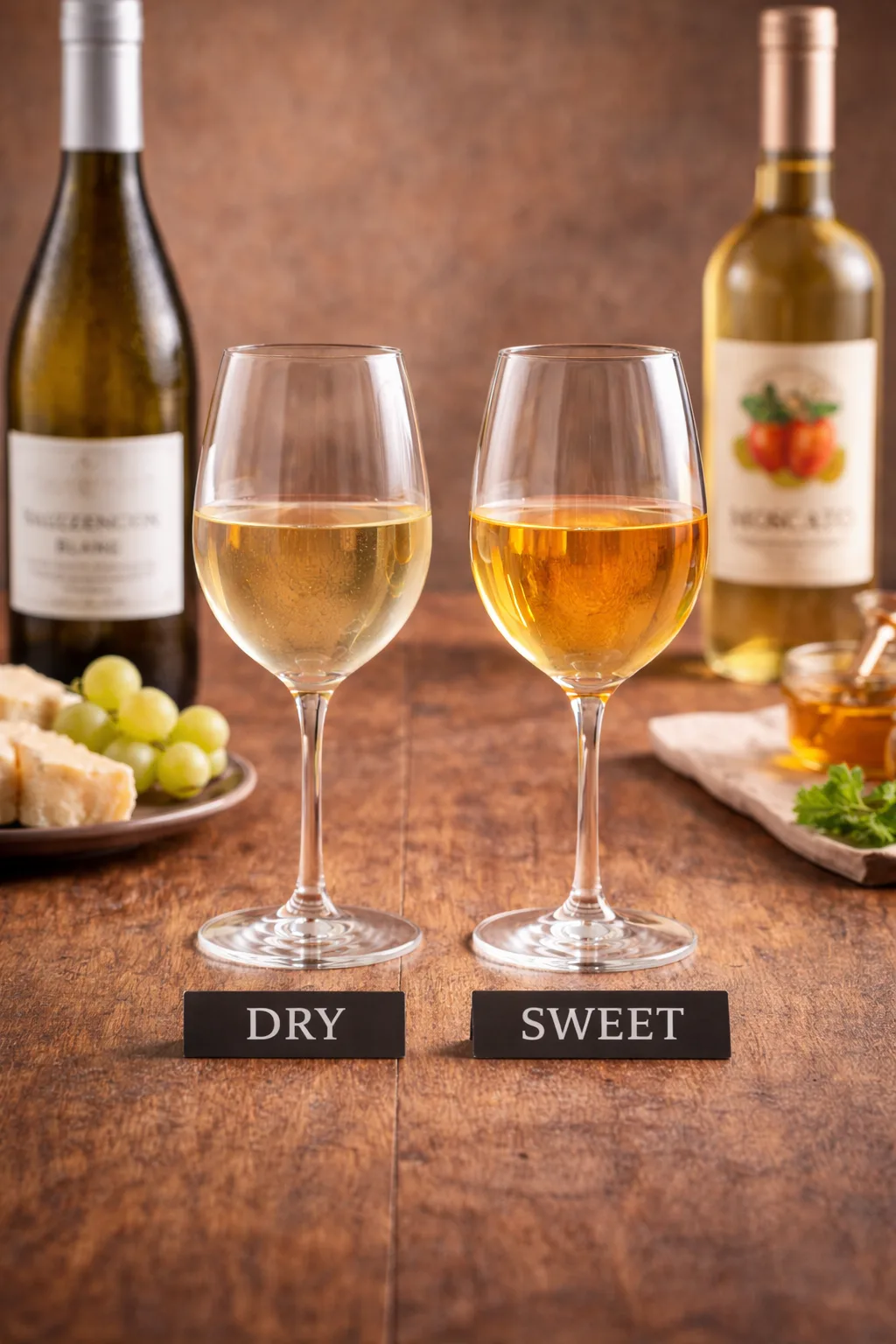
The key difference between dry and sweet white wine is residual sugar, not flavour intensity.
Dry white wines:
- Contain little to no residual sugar
- Often taste crisp or fresh
- Pair well with savoury food
Sweet white wines:
- Retain noticeable sugar
- Taste sweet on the palate
- Are often enjoyed with dessert or spicy dishes
Understanding this distinction makes choosing white wine much easier.
Common Dry White Wines
If you are looking to avoid sweetness, these white wine styles are usually dry:
Sauvignon Blanc
Typically crisp and high in acidity, Sauvignon Blanc is almost always dry and refreshing.
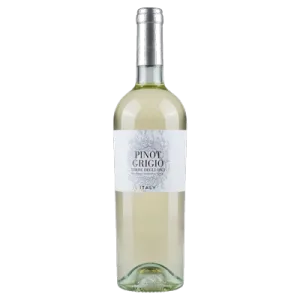
Pinot Grigio
Italian Pinot Grigio is generally light, dry and easy-drinking with minimal sweetness.
Chardonnay
Most Chardonnay is dry, whether oaked or unoaked. Richer styles may taste creamy, but they are usually not sweet.
Verdicchio
An Italian white grape known for dry, mineral wines with good acidity.
Fiano
A dry Italian white with texture and complexity, often mistaken for sweetness due to richness.
White Wines That Can Be Sweet or Off-Dry
Some white wines range from dry to sweet depending on how they are made. These include:
Riesling
Riesling can be dry, off-dry or sweet. The style varies widely by region and producer.
Gewürztraminer
Often made in an off-dry style, with aromatic, floral notes that enhance perceived sweetness.
Chenin Blanc
Can be made in many styles, from dry to very sweet.
These wines are usually labelled or described clearly, but it helps to check tasting notes.
White Wines That Are Typically Sweet
Genuinely sweet white wines include:
- Moscato
- Dessert wines made from late-harvest grapes
- Wines made from dried grapes
- Fortified sweet wines
These wines are intentionally sweet and are not meant to be confused with everyday dry whites.
How to Tell If a White Wine Is Sweet Before Buying
There are several clues that can help you identify sweetness:
- Alcohol level: very low alcohol often indicates sweetness
- Tasting notes: words like “sweet”, “honeyed” or “dessert”
- Style names: terms such as dolce or late harvest
When in doubt, asking for a dry white wine is widely understood in shops and restaurants.
Does White Wine Taste Sweeter Than Red Wine?
White wine can taste sweeter than red wine even when both are dry. This is because white wine usually has:
- Less tannin
- More noticeable fruit aromas
Tannins in red wine add bitterness and dryness, which counterbalance fruitiness and reduce perceived sweetness.
Sweet White Wine and Food Pairing
Sweet white wines have their place, especially with certain foods.
They pair well with:
- Spicy dishes
- Salty cheeses
- Fruit-based desserts
Dry white wines are more versatile with savoury meals and everyday dining.
Common Misconceptions About White Wine
“All white wine is sweet”
Most white wine is dry.
“Sweet white wine is low quality”
Sweetness is a style choice, not a quality indicator.
“White wine sweetness is obvious from colour”
Colour alone does not indicate sweetness.
Choosing the Right White Wine for Your Taste
If you prefer dry wine:
- Choose known dry grape varieties
- Look for higher acidity
- Avoid dessert wine styles
If you enjoy sweetness:
- Look for wines described as sweet or off-dry
- Explore aromatic grape varieties
Understanding style matters more than memorising labels.
Summary: Is White Wine Sweet?
Some white wines are sweet, but most white wine is dry. Sweetness depends on residual sugar, not colour, and many dry white wines taste fruity without being sweet.
Knowing the difference between dry and sweet styles makes it easier to choose a white wine you’ll enjoy, whether you prefer crisp freshness or gentle sweetness.