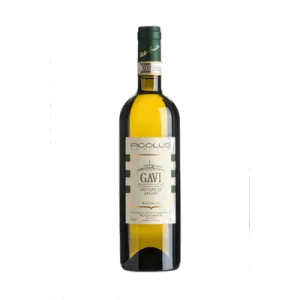
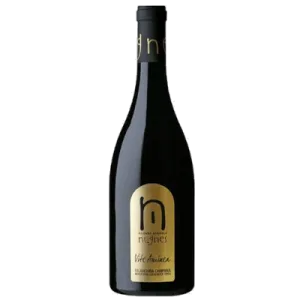
One of the most overlooked strengths of Italian wine is reliability at the table. Many UK wine drinkers have experienced the frustration of opening a bottle that tastes impressive on its own but falls apart once food arrives. Italian wines behave differently. They are more consistent with food than many other wines, not because of coincidence or tradition alone, but because they are deliberately built that way.
This article explains why Italian wines work so reliably with meals, why this is often misunderstood in the UK, and why choosing Italian wine is one of the safest decisions you can make when food is involved.
Italian Wine Is Designed for Meals, Not Moments
In much of the modern wine world, wine is designed to impress in isolation. It is tasted alone, scored alone, marketed alone. Rich fruit, sweetness, oak and alcohol all perform well in that environment. The problem is that these same characteristics often clash with food.
Italian wine developed in a completely different context. Wine has always been part of the meal, not the focus of it. Historically, Italian wine was rarely drunk on its own. It existed to support food, refresh the palate and sit comfortably alongside multiple courses.
This fundamental difference in intent explains why Italian wines feel dependable at the table, even when they are not dramatic on their own.
Acidity Is Treated as a Feature, Not a Flaw
One of the main reasons Italian wines perform so well with food is acidity. Italian wines almost always retain enough acidity to cut through fat, salt and richness.
In the UK, acidity is sometimes misunderstood as sharpness or lack of ripeness. In reality, acidity is what keeps wine refreshing when food is involved. Without it, wine quickly feels flat, heavy or sweet once paired with a meal.
Italian producers rarely try to soften acidity to please tasting panels. Instead, acidity is preserved deliberately because it keeps wine alive across an entire meal rather than just the first sip.
Balance Matters More Than Power
Italian wines are rarely built around a single dominant feature. They are not designed to be the biggest, ripest or boldest expression of a grape. Balance is prioritised over impact.
This balance is what allows Italian wines to stay consistent from the first bite to the last. Wines that rely heavily on fruit sweetness or oak often dominate lighter dishes and then feel clumsy with richer ones. Italian wines adapt more easily because no single element overwhelms the palate.
For UK drinkers, this means fewer unpleasant surprises once food arrives.
Alcohol Is Kept in Check for a Reason
High alcohol can feel impressive in a tasting environment, but it quickly becomes tiring with food. Heat amplifies spice, clashes with salt and exaggerates bitterness.
Italian wines tend to sit at moderate alcohol levels because they are intended to be consumed over a meal, not sipped in isolation. This restraint allows them to remain comfortable alongside food without overpowering it.
The result is a wine that feels easier to drink, especially over longer meals or multiple courses.
Tannins Are Structured for Eating, Not Sipping
Many Italian red wines have firm tannins, but those tannins are designed to interact with food rather than dominate it.
Protein, fat and salt soften tannins, turning structure into smoothness. Italian wines rely on this interaction. On their own, they may seem firm or reserved. With food, they become harmonious.
This is why Italian reds often feel better halfway through a meal than at the first sip. They are doing exactly what they were designed to do.
Savoury Profiles Work Better at the Table
Italian wines often emphasise savoury, herbal, earthy or mineral characteristics rather than overt sweetness or ripe fruit.
These flavours integrate more naturally with food. Sweet fruit can clash with savoury dishes, while savoury wines tend to echo and enhance flavours on the plate.
This is particularly relevant for British cooking, which often includes roasted meats, gravies, herbs and vegetables. Italian wines slot into this flavour profile with minimal effort.
Consistency Across Dishes Matters
A key reason Italian wines feel reliable is that they cope well with variation. A single bottle can often handle multiple dishes without falling apart.
Highly styled wines may work beautifully with one specific pairing but fail elsewhere. Italian wines tend to be more flexible, adapting as flavours change throughout the meal.
For UK households where one bottle is opened for several dishes, this consistency is invaluable.
Wine That Improves With Food, Not Against It
Many wines peak before food arrives. Italian wines often do the opposite.
As food softens tannins, integrates acidity and brings out savoury notes, the wine improves. This creates a sense that the wine is “coming into its own” rather than fading.
This dynamic experience is a hallmark of Italian wine culture and a major reason why Italian wines feel satisfying rather than exhausting at the table.
Simpler Cooking Highlights the Strength
Italian wines are especially consistent with simple, ingredient-led cooking. Dishes built around a few good ingredients allow the wine’s structure to shine without competition.
This does not mean Italian wines cannot handle rich or complex food. It means they do not require heavy sauces or intense seasoning to make sense.
For UK drinkers who cook at home, this reliability makes Italian wine an easy default choice.
Why This Is Often Missed in the UK
In the UK, wine is often chosen before food, not alongside it. Bottles are judged on aroma, fruit and immediate appeal.
Italian wines can seem understated in that context. Their strengths only become obvious once food is involved, which means they are often undervalued or misunderstood.
This mismatch in expectations explains why Italian wines sometimes surprise people who initially thought the wine was “quiet” or “simple”.
Restaurants Understand This Better Than Retail
Italian wines are staples on restaurant wine lists for a reason. They are forgiving, flexible and food-friendly.
Restaurants need wines that perform consistently across a wide range of dishes and customer preferences. Italian wines excel in this environment, which is why they remain popular in hospitality even when retail trends shift.
For home drinkers, choosing Italian wine brings that same restaurant-level reliability into everyday meals.
Consistency Builds Confidence
When a wine behaves predictably with food, it builds trust. Italian wines reward familiarity rather than novelty.
Once drinkers understand how Italian wines behave at the table, they become a safe and confident choice rather than a gamble.
This reliability is particularly valuable for gifts, dinner parties and shared meals where the wine needs to work without explanation.
What This Means for UK Wine Drinkers
Choosing Italian wine is not about playing it safe in a boring way. It is about choosing wines that understand food.
Italian wines are consistent with food because they were designed for it from the beginning. They adapt, improve and integrate rather than compete.
For UK drinkers who value meals over moments, this makes Italian wine one of the most dependable options available.
Final Thoughts
Italian wines are more consistent with food than many other wines because they were never meant to stand alone. Acidity, balance, moderate alcohol and savoury structure are not accidents. They are deliberate choices shaped by centuries of eating and drinking together.
Once this is understood, Italian wine stops being a gamble and becomes a reliable companion at the table. It may not always shout the loudest in the glass, but it almost always performs when it matters most — with food.