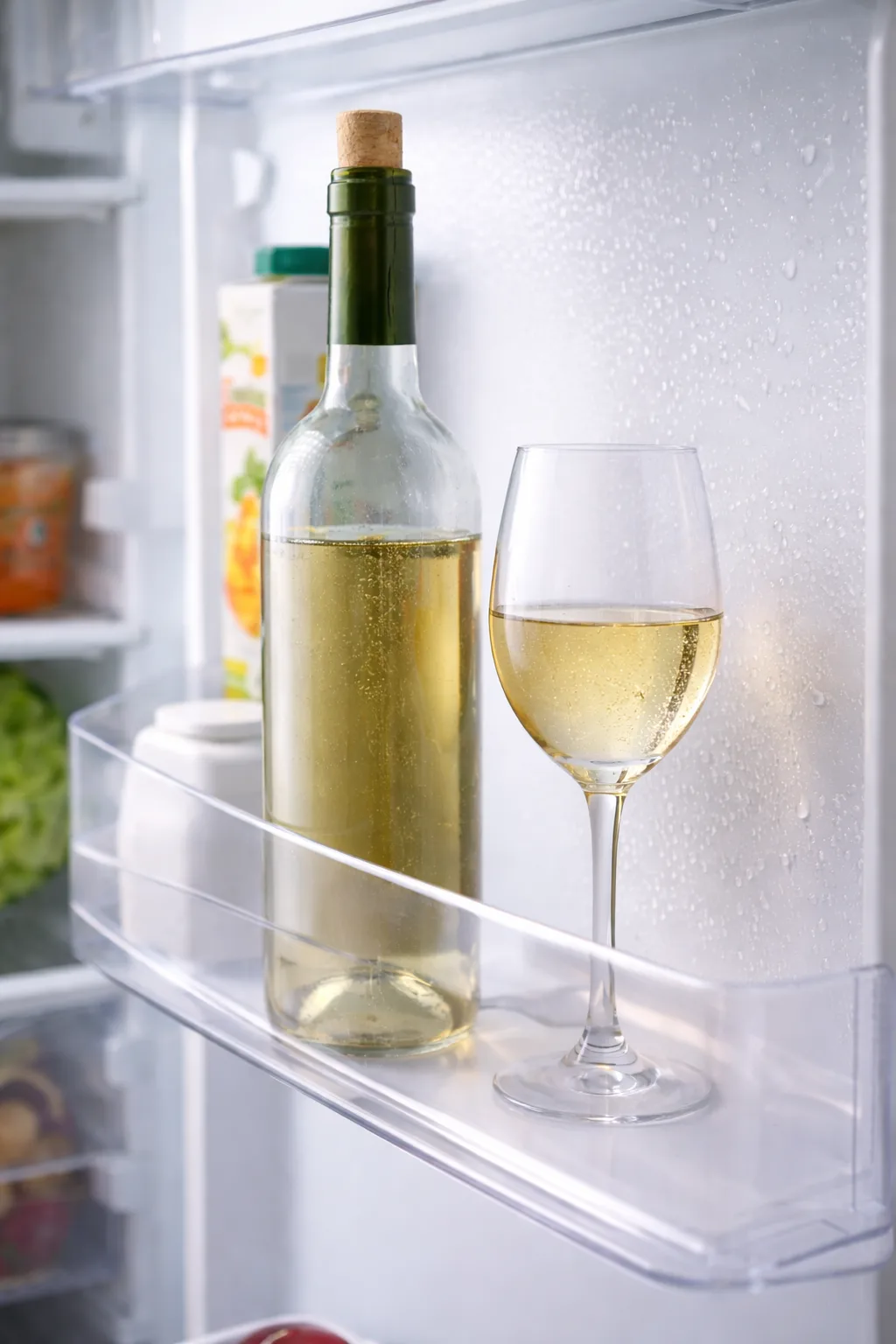
White wine is almost always associated with being served cold, but that doesn’t always mean it should be kept in the fridge at all times. Whether white wine should be refrigerated depends on whether the bottle is opened or unopened, how soon it will be consumed, and the conditions in which it is stored.
This guide answers the simple but common question: should white wine be refrigerated, and explains when refrigeration helps, when it isn’t necessary, and what actually protects white wine from spoilage.
The Short Answer
Yes, white wine should usually be refrigerated after opening.
Before opening, refrigeration is helpful for short-term storage but not essential for long-term keeping.
Understanding the difference between opened and unopened bottles is key.
Why Temperature Matters for White Wine
White wine is sensitive to heat and light. Higher temperatures speed up chemical reactions in wine, causing flavours to fade and aromas to flatten. Excess heat can also permanently damage a wine before it is ever opened.
Cool, stable temperatures slow these reactions and help preserve freshness, acidity and aroma.
Should Unopened White Wine Be Refrigerated?
Unopened white wine does not need to be refrigerated if it is being stored correctly.
If you have a cool, dark place with a stable temperature, such as a wine fridge or cellar, unopened white wine can be kept there safely. Refrigeration becomes useful when:
- The room temperature is consistently warm
- The wine will be drunk soon
- You want it ready to serve
Putting unopened white wine in the fridge a day or two before drinking is perfectly fine and very common.
Should Opened White Wine Be Refrigerated?
Yes. Once opened, white wine should always be refrigerated.
Opening a bottle exposes the wine to oxygen, which begins the oxidation process. Refrigeration slows this process dramatically and helps preserve flavour and aroma.
Leaving opened white wine at room temperature will cause it to deteriorate much more quickly, even if it is re-corked.
Does Refrigeration Ruin White Wine?
No. Refrigeration does not harm white wine.
Cold temperatures temporarily mute aromas, but this effect disappears once the wine warms slightly in the glass. Refrigeration does not permanently damage flavour or structure.
In fact, refrigeration protects white wine far more than leaving it warm.
How Long Can White Wine Stay Out of the Fridge?
An unopened bottle can remain out of the fridge as long as it is kept cool and away from light. Once opened, white wine should not be left out for extended periods.
If opened white wine is left at room temperature for a full day or more, it will usually show signs of oxidation much sooner than a refrigerated bottle.
Does the Style of White Wine Matter?
Yes, but refrigeration is still the safer option.
Light, aromatic whites such as Sauvignon Blanc or Pinot Grigio benefit most from refrigeration. Fuller-bodied whites, including oaked Chardonnay, may not need to be served as cold, but they still benefit from being stored cold once opened.
Regardless of style, cooler storage extends freshness.
White Wine Versus Red Wine Storage
White wine is generally more sensitive to heat than red wine. While both wines benefit from cool storage after opening, white wine shows flavour loss more quickly when stored warm.
This is why refrigeration is more important for white wine than for many reds.
Common Myths About Refrigerating White Wine
Some people believe white wine should only be chilled just before serving. Others worry refrigeration damages flavour. Both ideas are incorrect.
White wine is made to handle cool temperatures, and controlled cold storage is far better than fluctuating warmth.
When Refrigeration Is Especially Important
Refrigeration is strongly recommended if:
- The wine has already been opened
- The room temperature is above average
- The wine is delicate or aromatic
- You plan to drink the bottle over several days
In these cases, refrigeration significantly improves longevity and quality.
When Refrigeration Is Less Important
Refrigeration is less critical if:
- The bottle is unopened
- You have proper cool storage
- The wine will be consumed immediately
Even then, chilling before serving is still advisable.
Practical Takeaway
If the bottle is open, refrigerate it.
If the bottle is unopened, refrigeration is helpful but not mandatory if storage conditions are good.
This simple distinction answers most confusion around white wine storage.
Summary
White wine should usually be refrigerated after opening to slow oxidation and preserve flavour. Unopened white wine does not always need refrigeration, but cooler temperatures help protect it, especially in warm environments.
Understanding when refrigeration matters allows you to enjoy white wine at its best without unnecessary worry.