
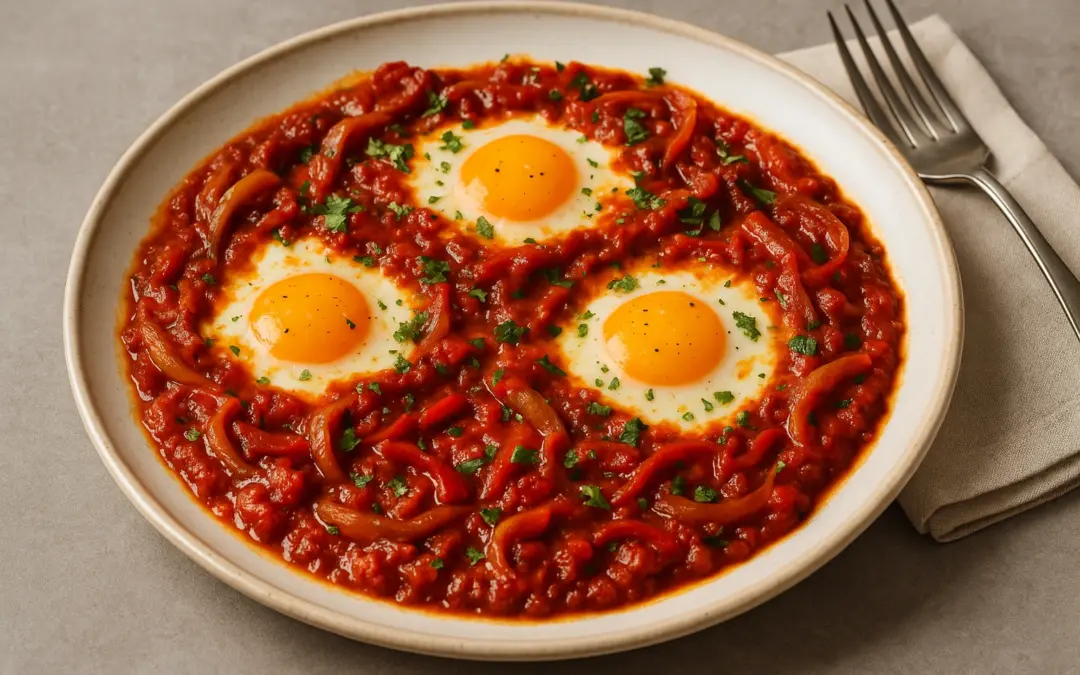
Best wine with Shakshuka
There is more to pairing Shakshuka than simply choosing red or white. Tomato and spice need acidity, while eggs call for moderate tannin and body. That makes a fresh medium-bodied Italian red, with bright acidity for the sauce, ripe fruit for the salt and enough savoury depth to stay interesting, the sensible place to begin.
What wine goes with Shakshuka?
For Shakshuka, start with a fresh medium-bodied Italian red. Barbera is the clearest first choice, with Sangiovese as another useful option. Look for bright acidity for the sauce, ripe fruit for the salt and enough savoury depth to stay interesting.
Pairing profile
Freshness, richness, body and tannin at a glance.
With Shakshuka, tomato and spice need acidity, while eggs call for moderate tannin and body. The wine works when it brings bright acidity for the sauce, ripe fruit for the salt and enough savoury depth to stay interesting, keeping the flavours clear rather than adding more weight.
Our selected wines
The wines below are the closest live matches from the Donzella range. Begin with a fresh medium-bodied Italian red, then move lighter or fuller depending on the sauce, seasoning and portion in your version of Shakshuka.
Italian wines to pair with Shakshuka
There is more to pairing Shakshuka than simply choosing red or white. Tomato and spice need acidity, while eggs call for moderate tannin and body. That makes a fresh medium-bodied Italian red, with bright acidity for the sauce, ripe fruit for the salt and enough savoury depth to stay interesting, the sensible place to begin.
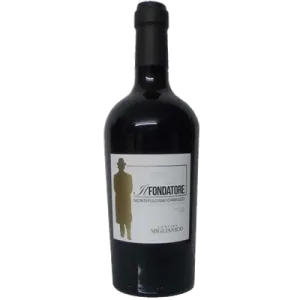
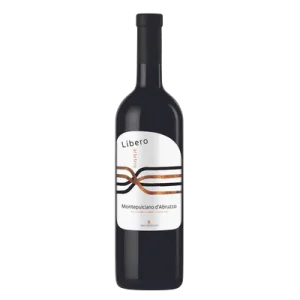
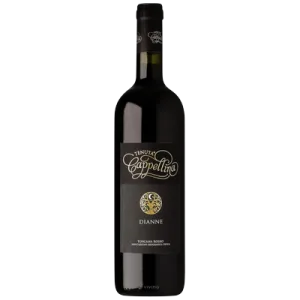
Tenuta Cappelina ‘Dianne’ IGT – Elegant Tuscan Red Blend (75cl)
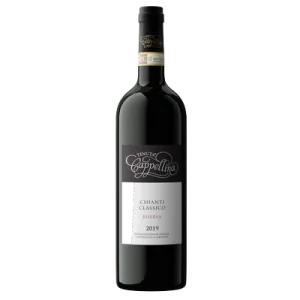
Chianti Classico DOCG – Tenuta Cappellina – Premium Tuscan Red Wine (75cl)
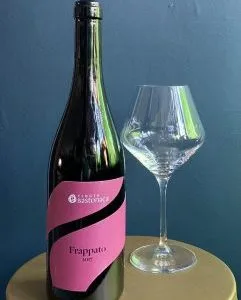
Tenuta Bastonaca Frappato IGP Terre Siciliane 2017 – Elegant Sicilian Red Wine (75cl)
Best Italian grapes to look for
Barbera brings juicy red fruit and naturally high acidity, useful when tomato, cheese or rich meat needs lift.
Sangiovese combines sour-cherry fruit with savoury structure, making it a natural food wine for tomato, herbs and roasted meat.
Montepulciano offers round dark fruit and enough body for richer sauces without always becoming heavily tannic.
Nero d’Avola gives ripe Sicilian fruit and savoury warmth, best when the bottle stays fresh rather than jammy.
Italian regions that make sense
Piedmont provides both high-acid reds such as Barbera and fragrant sweet Moscato, depending on the dish.
Tuscany is the natural home of Sangiovese-led reds with cherry fruit, herbs and food-friendly acidity.
Abruzzo offers Montepulciano-based reds with generous fruit and enough structure for hearty food.
Sicily can deliver ripe reds, mineral whites and sweet wines, often with plenty of flavour but useful freshness.
🍽️Serving tips for Shakshuka
Serve the red slightly cool, around 14–16°C. That keeps the fruit bright and stops tomato, cheese and cured meat from feeling heavy.
🇮🇹Did you know?
Shakshuka has become a UK brunch staple, though its roots lie across North Africa and the Middle East.
⚠️Common mistakes with Shakshuka wine pairings
A strong Shakshuka pairing is often about what you leave out as much as what you choose.
• Choosing by wine colour alone and overlooking the sauce, seasoning and cooking method in Shakshuka.
• Going too heavy when the dish really needs bright acidity for the sauce, ripe fruit for the salt and enough savoury depth to stay interesting.
• Serving the wine at room temperature by habit. Whites and sparkling wines need proper chilling, while most reds are better slightly cool.
FAQs about wine with Shakshuka
What is the best wine with Shakshuka?
Start with a fresh medium-bodied Italian red. Barbera and Sangiovese are useful Italian options because they can provide bright acidity for the sauce, ripe fruit for the salt and enough savoury depth to stay interesting.
Can I drink white wine with Shakshuka?
You can, particularly when the dish is served more lightly, but a fresh medium-bodied Italian red is the more dependable match. For a white, choose one with real texture and enough acidity for the sauce.
What wine should I avoid with Shakshuka?
Be cautious with very oaky reds, high-alcohol jammy reds, and sweet wines. They can overpower the food, exaggerate bitterness or leave the finish feeling heavy.
Which Italian grapes work with Shakshuka?
Good grapes to explore include Barbera, Sangiovese, Montepulciano, and Nero d’Avola. The final choice should follow the sauce, spice level and richness of the version you are serving.
🍷Final pairing thought
Use this as a starting point rather than a commandment: match the weight of Shakshuka, protect its main flavours and keep the finish lively.
The wine recommendations for Shakshuka are based on current Donzella Wines product data. Stock, vintage and pricing can change, so always check the live product page before choosing a bottle.